

A spice born from a flower
Saffron comes from Crocus sativus, a small violet flower that blooms for only a few weeks a year. At the centre of each flower are three red threads: the stigmas. They, and they alone, are what we call saffron.
No machine can pick them cleanly. The harvest is done by hand, early in the morning, before the flower opens fully and the heat damages it. The stigmas are then carefully dried. This is when their scent forms: fresh, a stigma smells of almost nothing.
Iran now supplies most of the world's production, followed by India, with Kashmir, then Spain, Afghanistan and Morocco. For centuries, saffron has travelled the trade routes all the way to the ports of the Gulf.
What does saffron smell like?
Open a box of saffron: the scent reaches you before the colour. It is warm, dry and surprisingly complex. Several facets stand out:
- Leather: a supple note, close to tanned hide, which makes saffron a natural ally of leather accords.
- Honey: a round softness, without being sugary.
- Hay: a dry, herbaceous side, like grass dried in the sun.
- Metal: a mineral, slightly bitter edge that gives saffron its contour.
This ambivalence is what makes it so interesting. Saffron warms a composition without weighing it down. It gives fruity or floral notes a depth they would not have on their own.
Saffron, a gesture of hospitality
In the Gulf, saffron belongs to the welcome. A few threads steep in gahwa, the cardamom Arabic coffee served in small handleless cups, and give it its golden hue. You find it in the sweets served with dates, in warm milk in the evening, in the rice of large family tables.
To receive with saffron is to offer the most precious thing you have. For many, its scent recalls the warmth of a majlis, family celebrations, the moment you welcome someone into your home. Wearing it as a perfume extends that gesture: a way of being welcoming before you have said a word.
Saffron in perfumery
The spice itself rarely goes into a bottle as it is. A saffron absolute does exist, obtained by extraction, but it remains rare, costly and so intense that it is hard to control. Most perfumers therefore rebuild a saffron accord: a blend of molecules that renders its leathery, honeyed and metallic facets, with great consistency from one bottle to the next.
This is no compromise. The accord lets the perfumer choose which facet to bring forward: more leathery in a dark perfume, brighter in a fruity opening. Saffron then becomes a linking note, bridging a fresh start and a woody or amber base.
Saffron in the Reflets
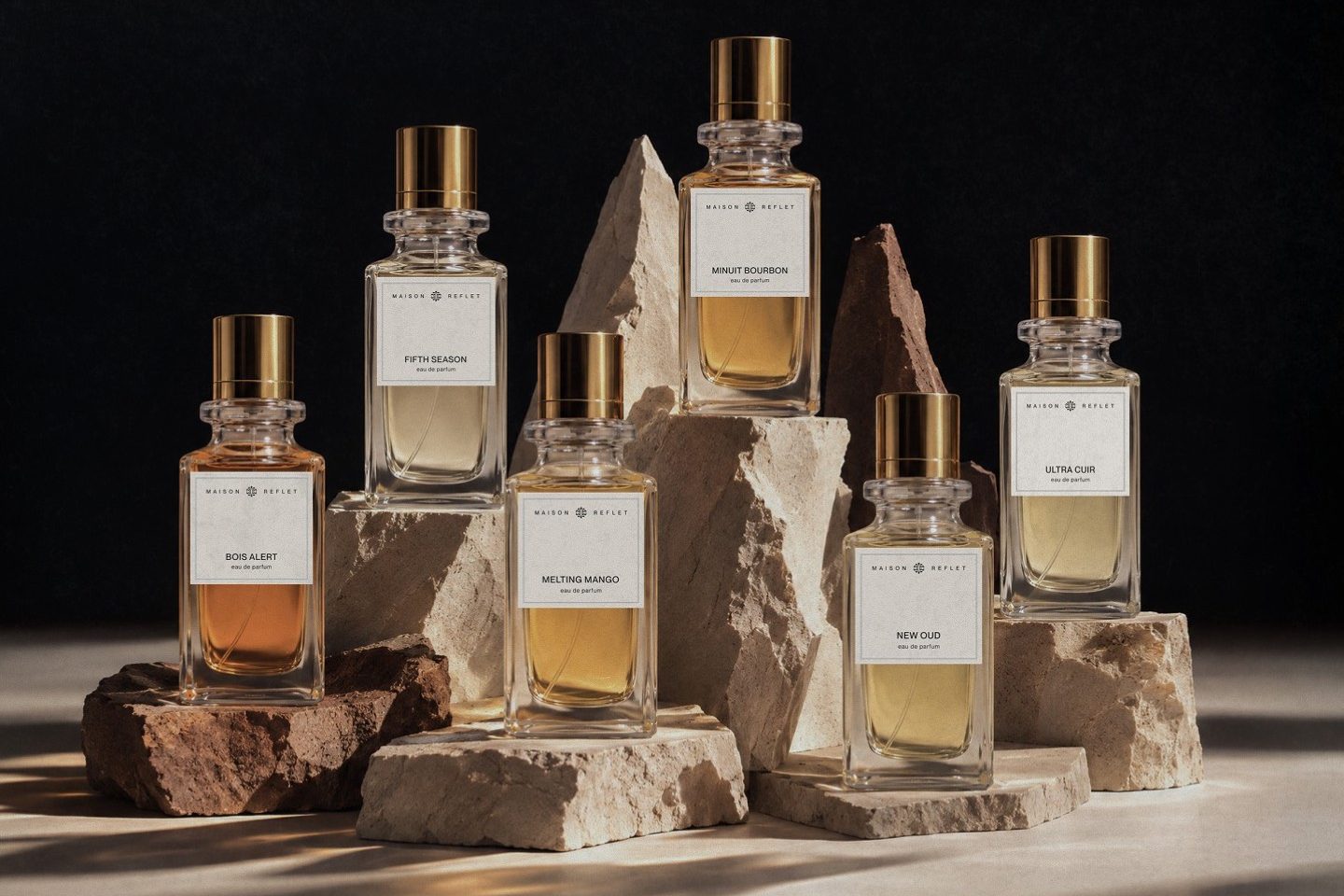
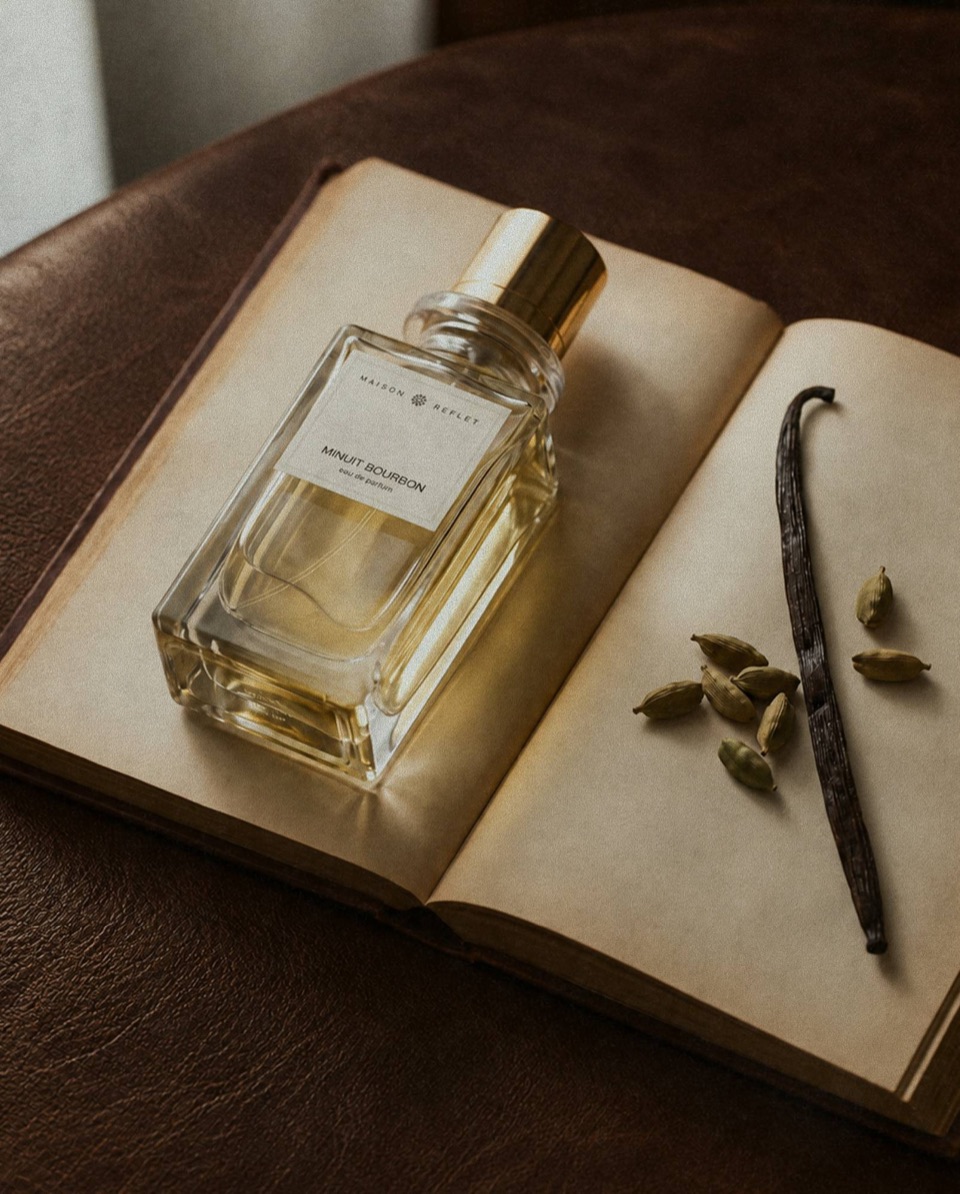
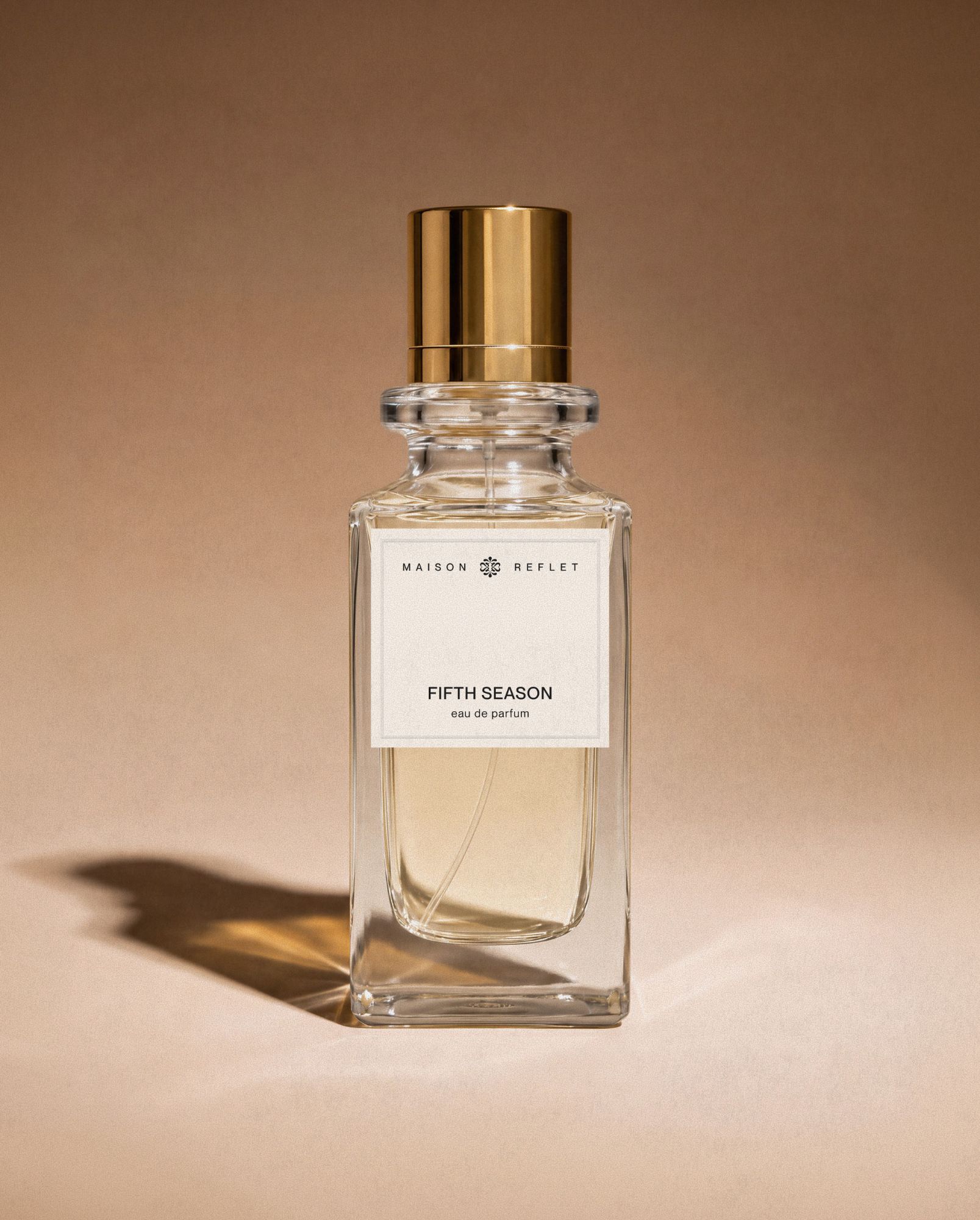
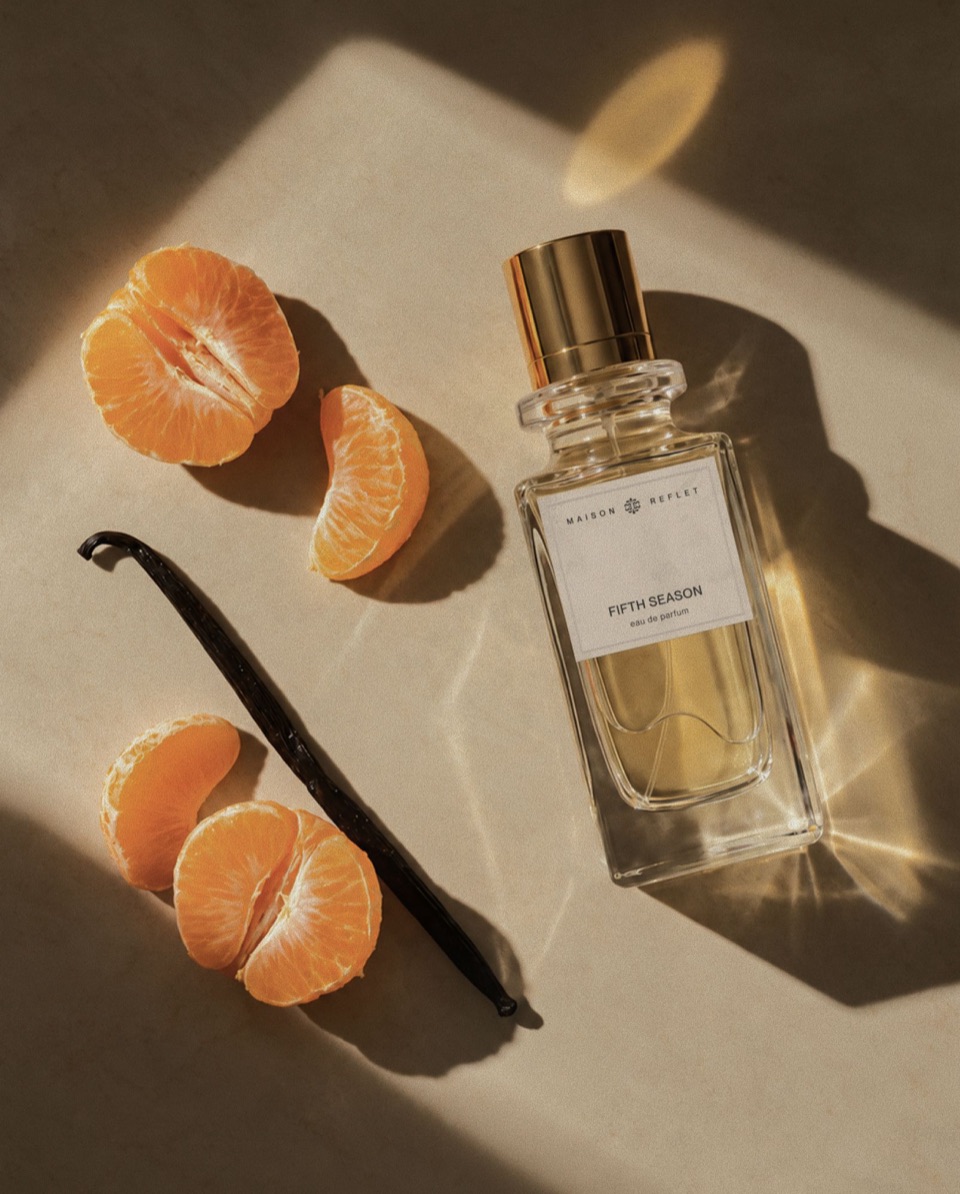
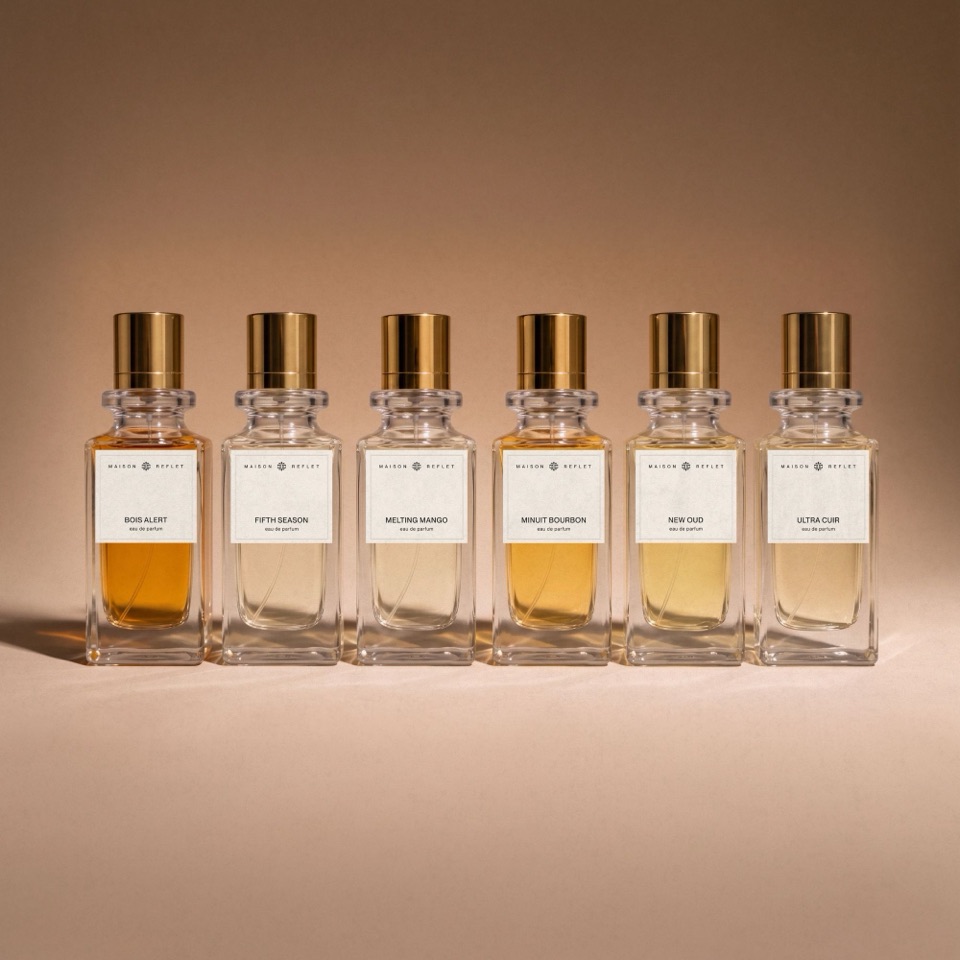
Saffron appears in four Reflets out of six; Fifth Season and Minuit Bourbon do without it. It does not always play the same role: at the heart, it gives structure; at the top, it awakens.
Ultra Cuir: saffron at the heart
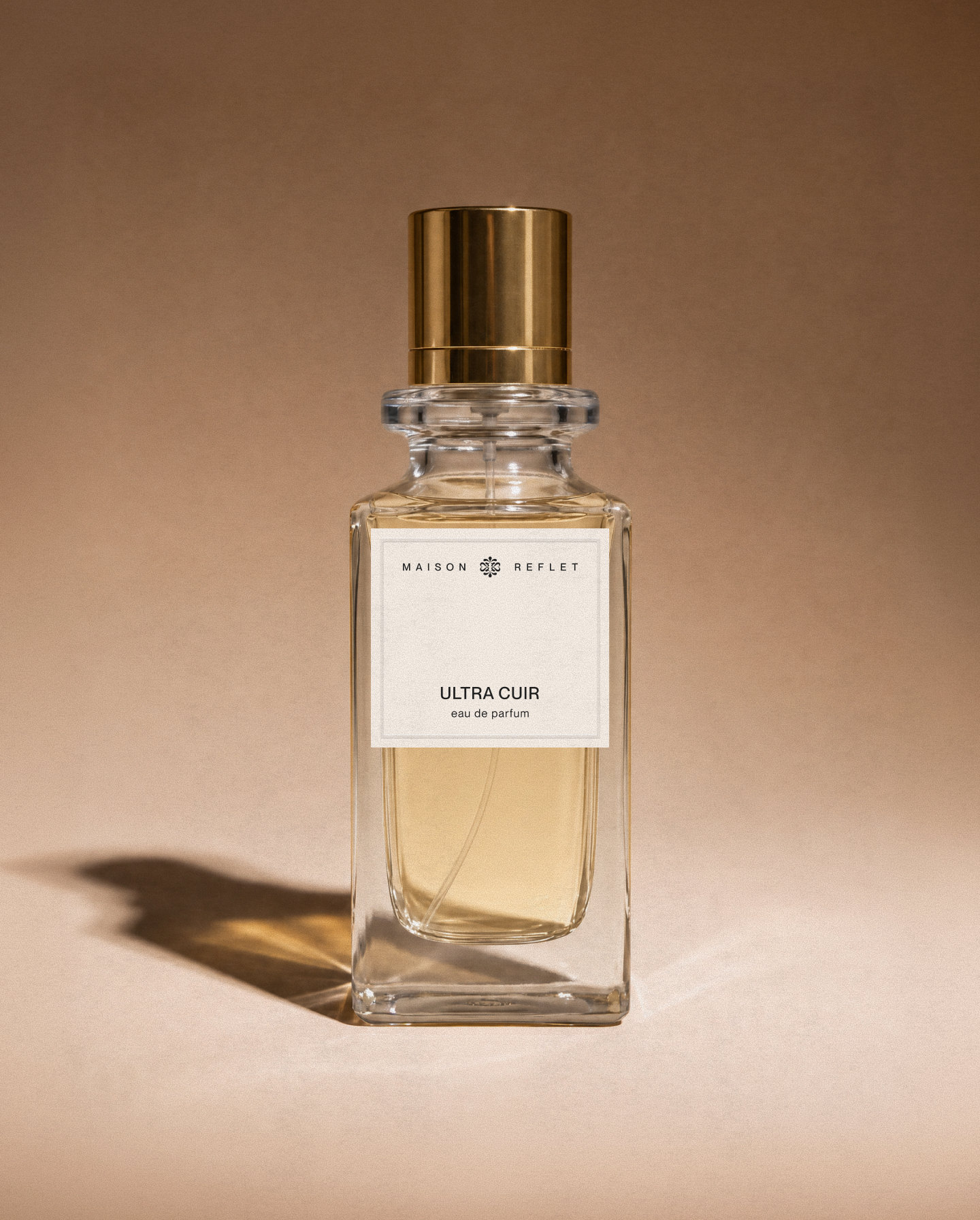
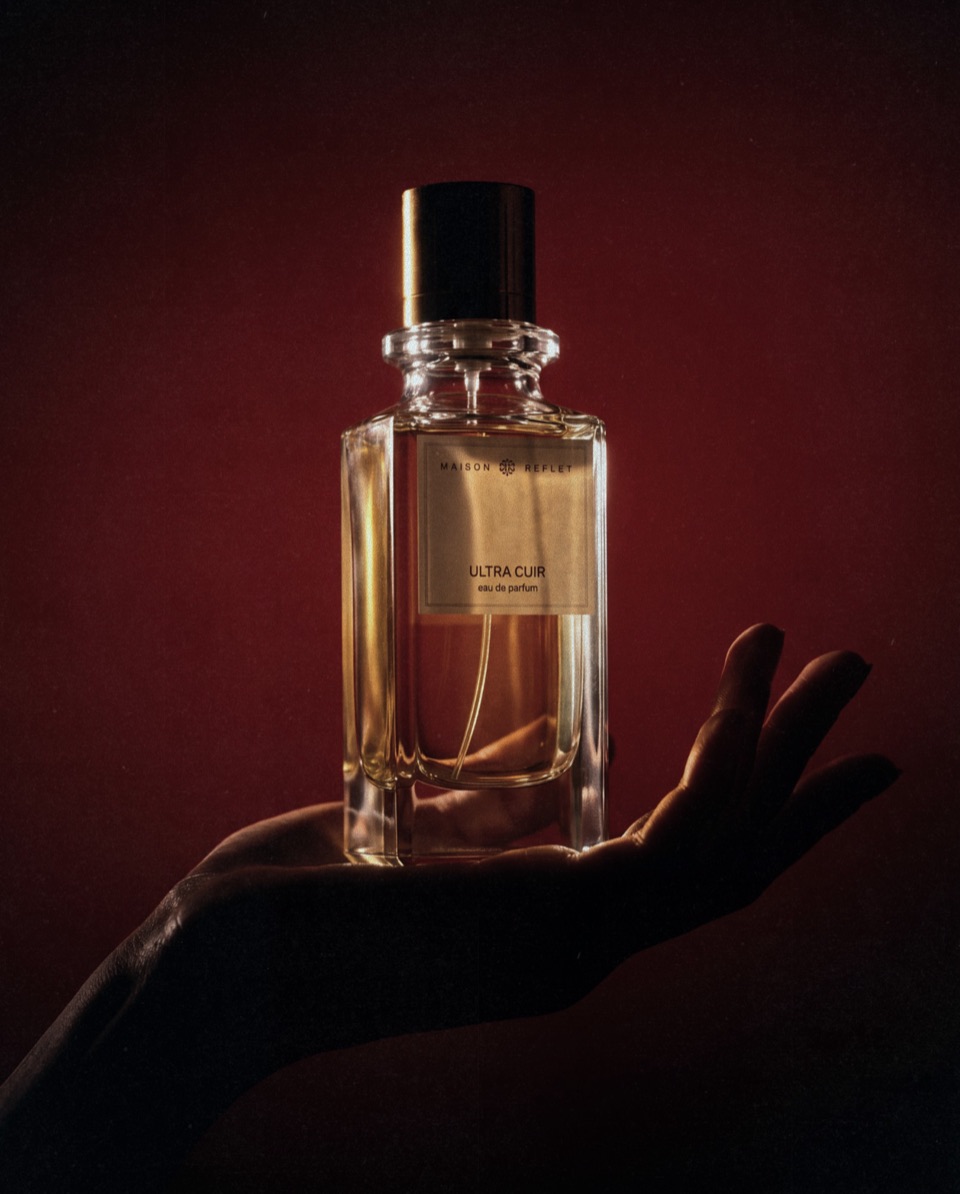
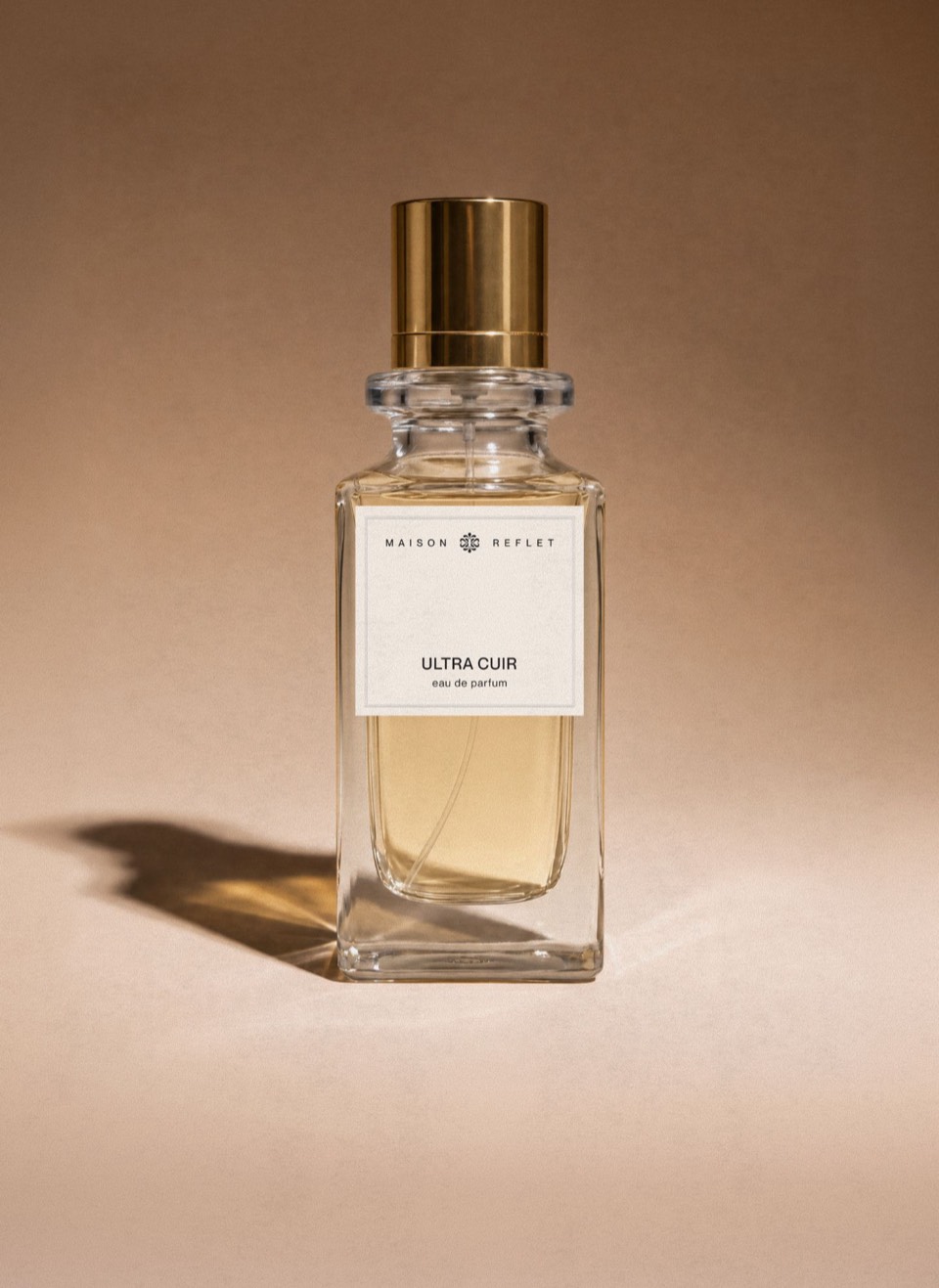
In Ultra Cuir, saffron sits at the centre of the composition. It arrives after an opening of raspberry, Calabrian bergamot and red berry, surrounded by incense and iris. The base of cedar, leather and patchouli extends its leathery facet. The result: a juicy, leathery saffron, softened by the powdery touch of iris.
 Pre-order
Our pick
Ultra Cuir
Our twist on Tuscan Leather
Regular price: AED 380Launch price: AED 320
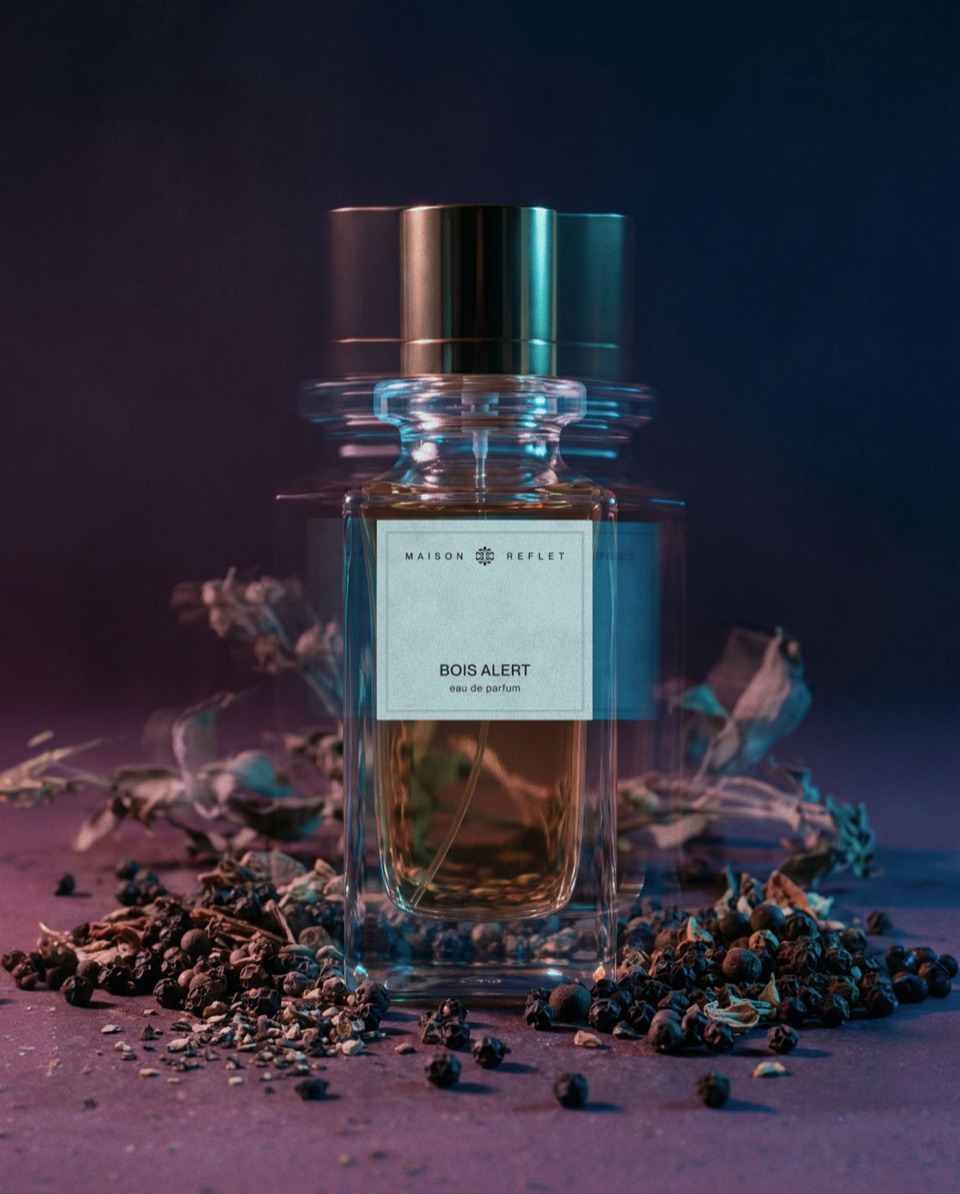
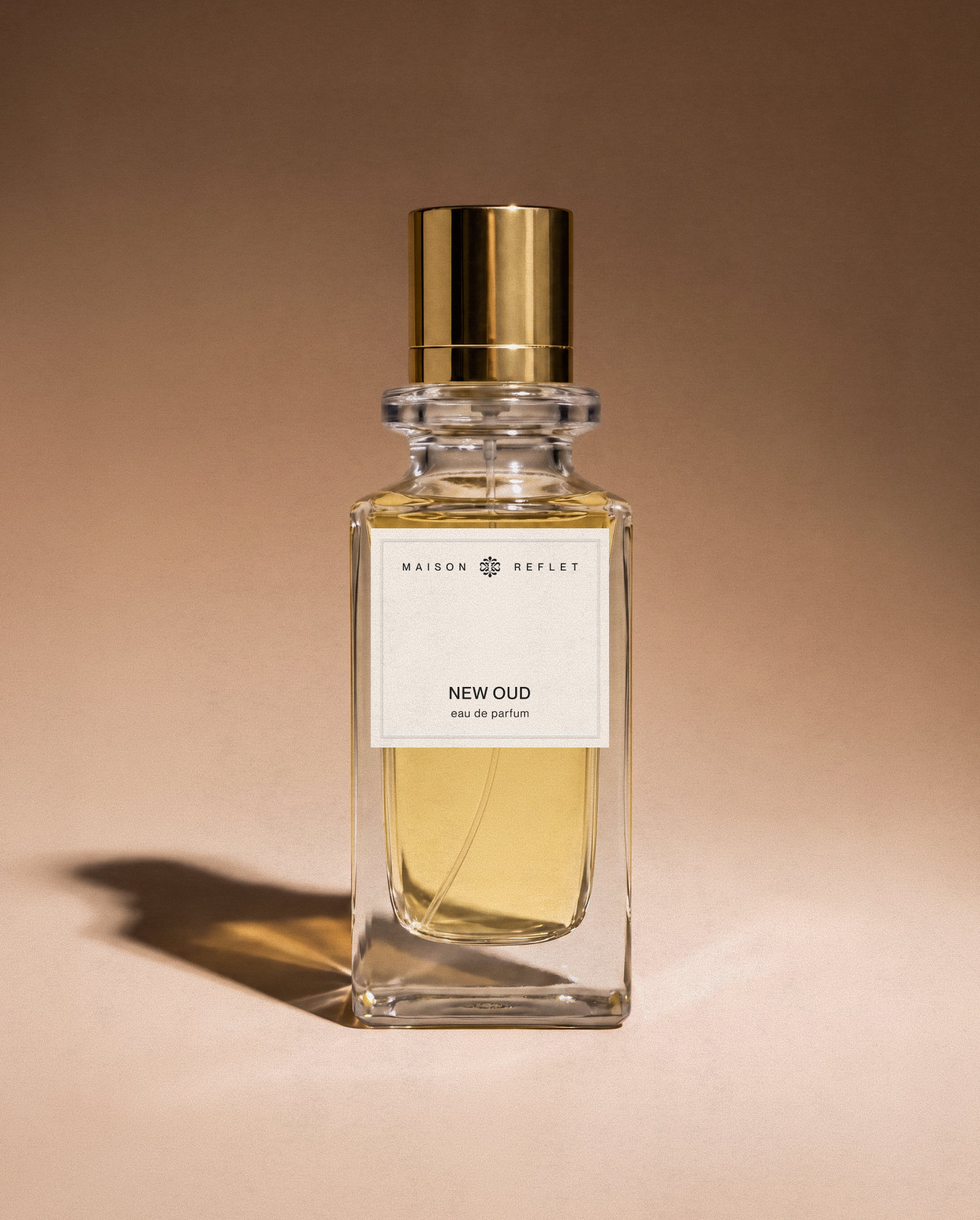
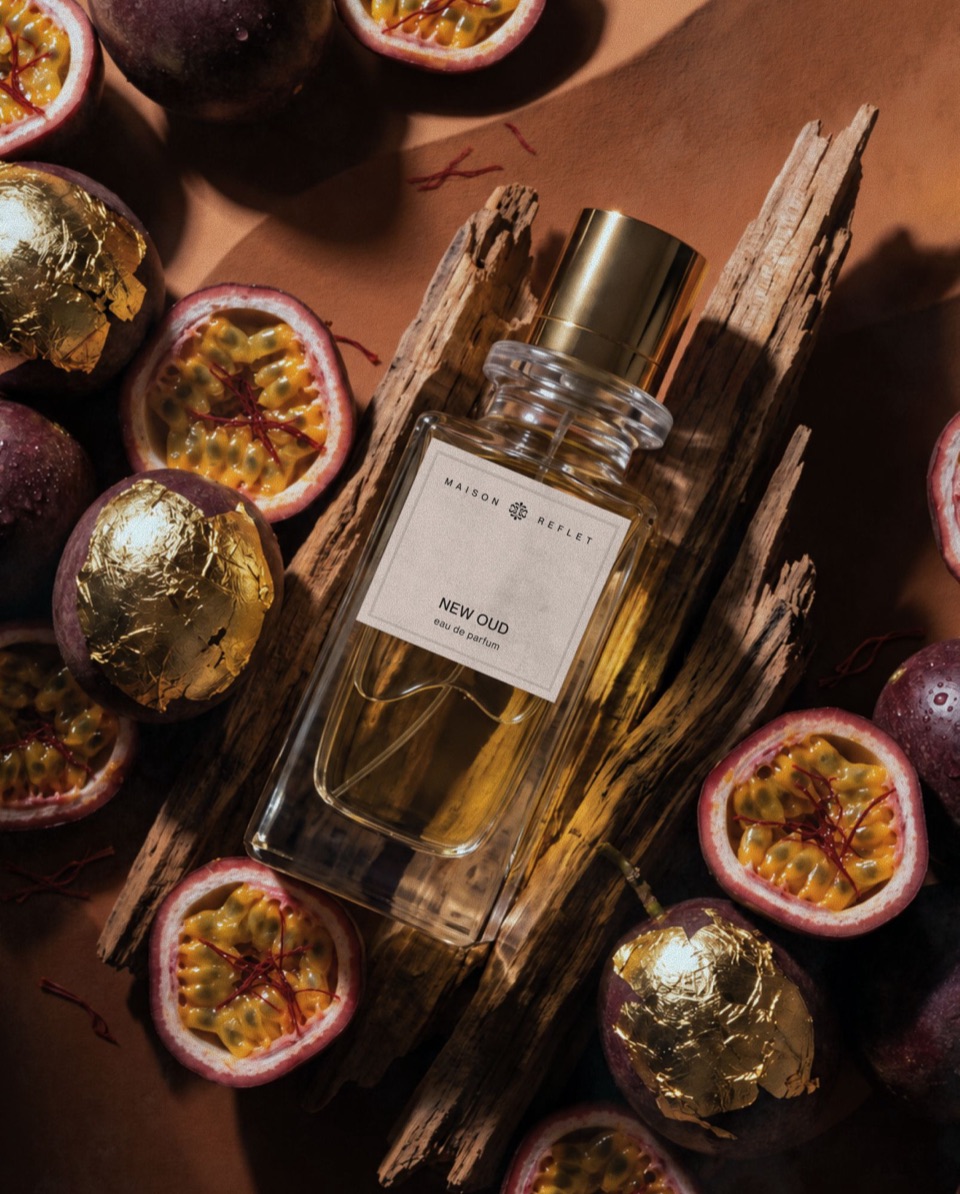
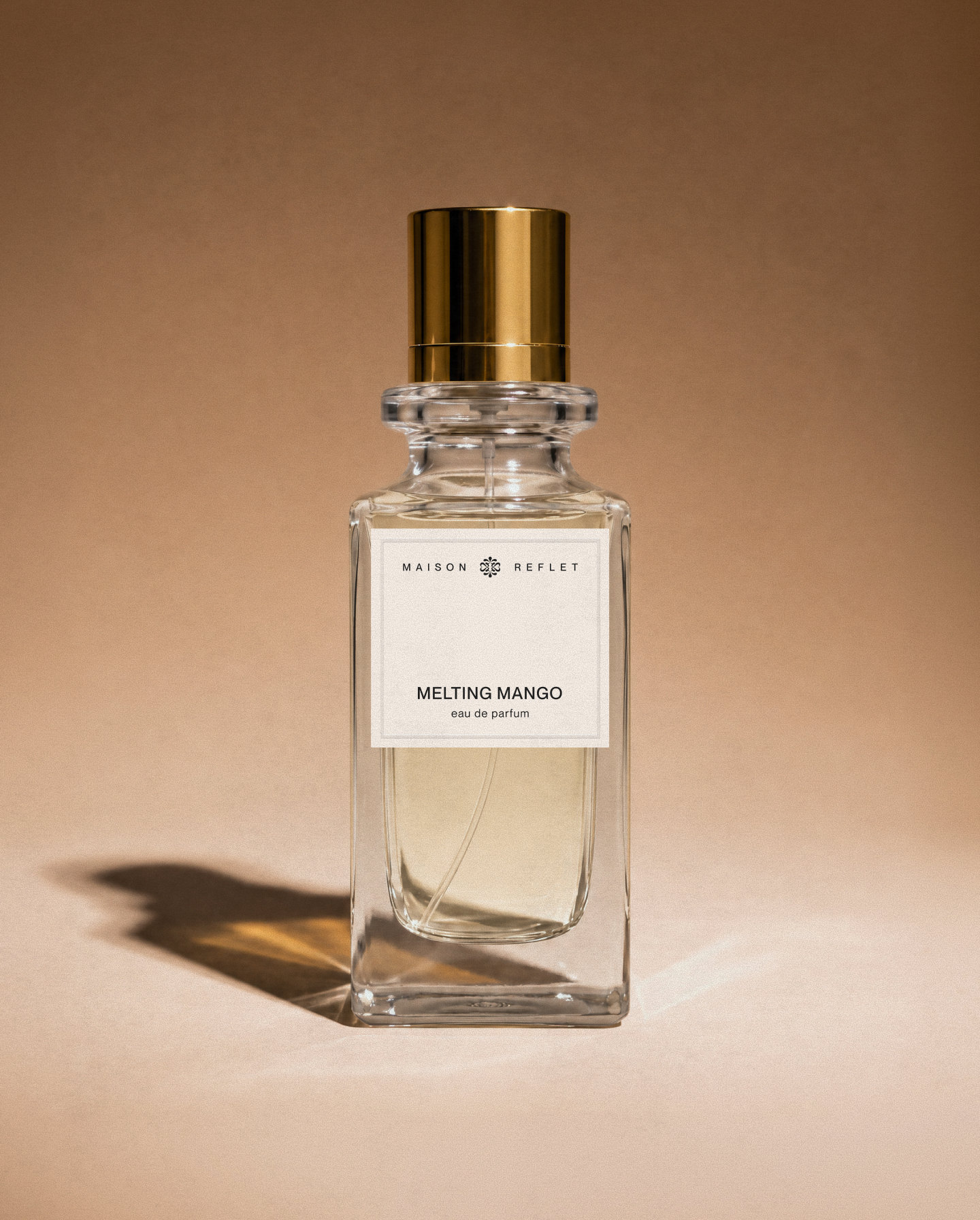
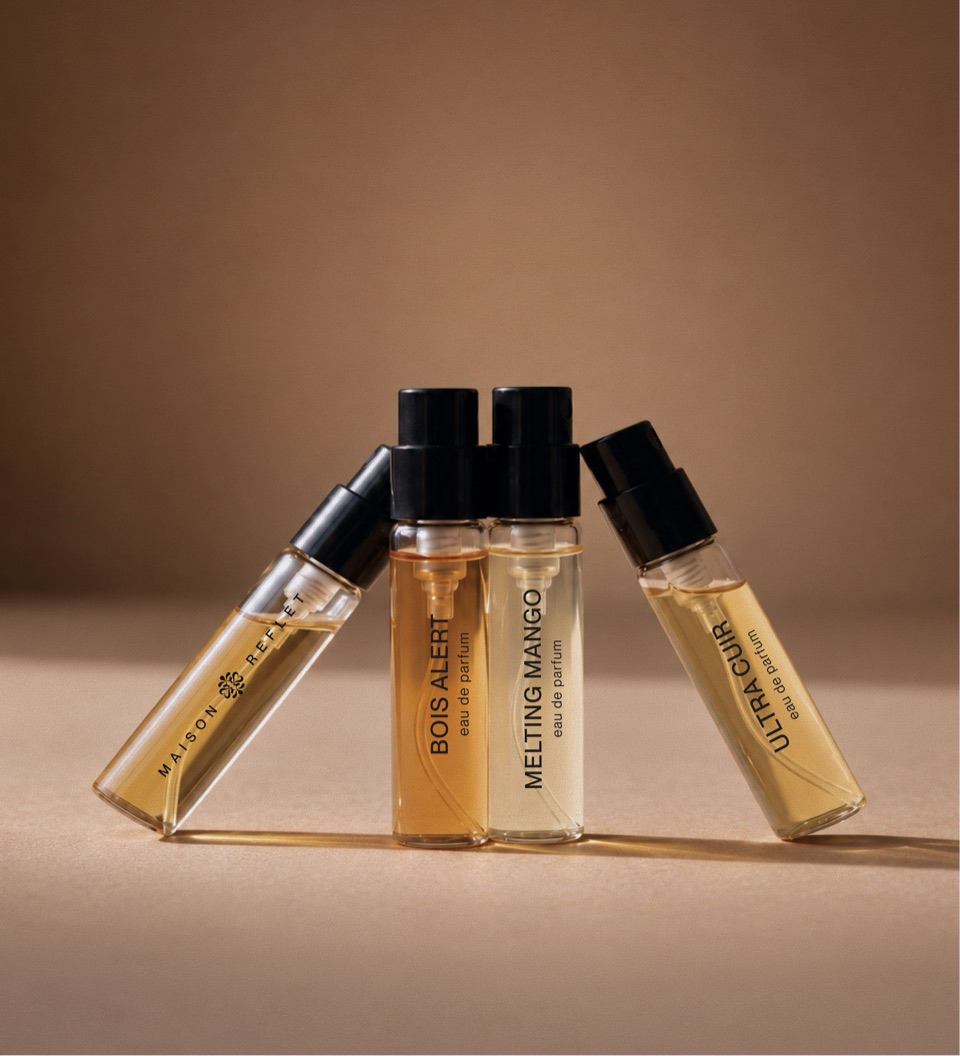
At the top: Bois Alert, New Oud, Melting Mango
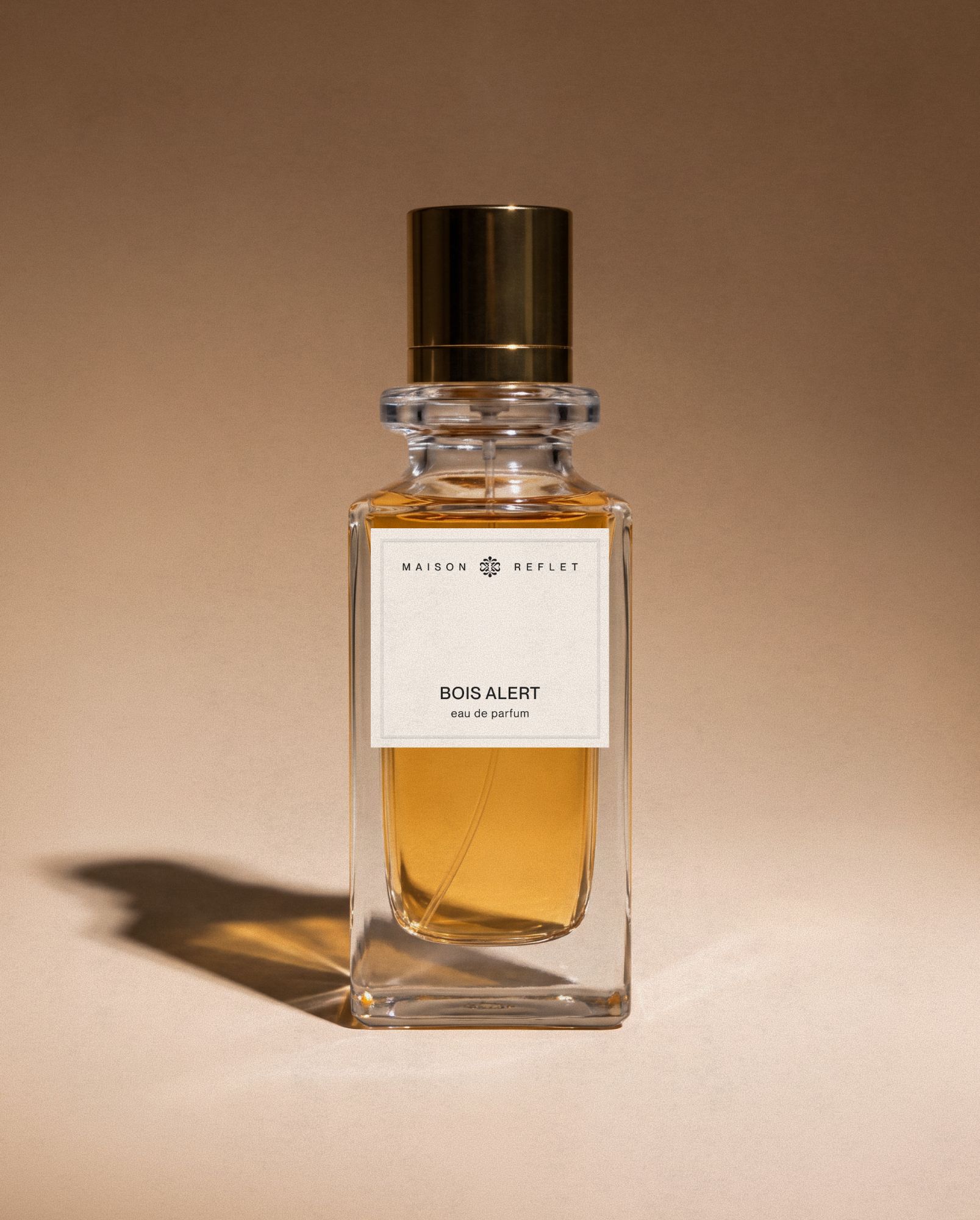
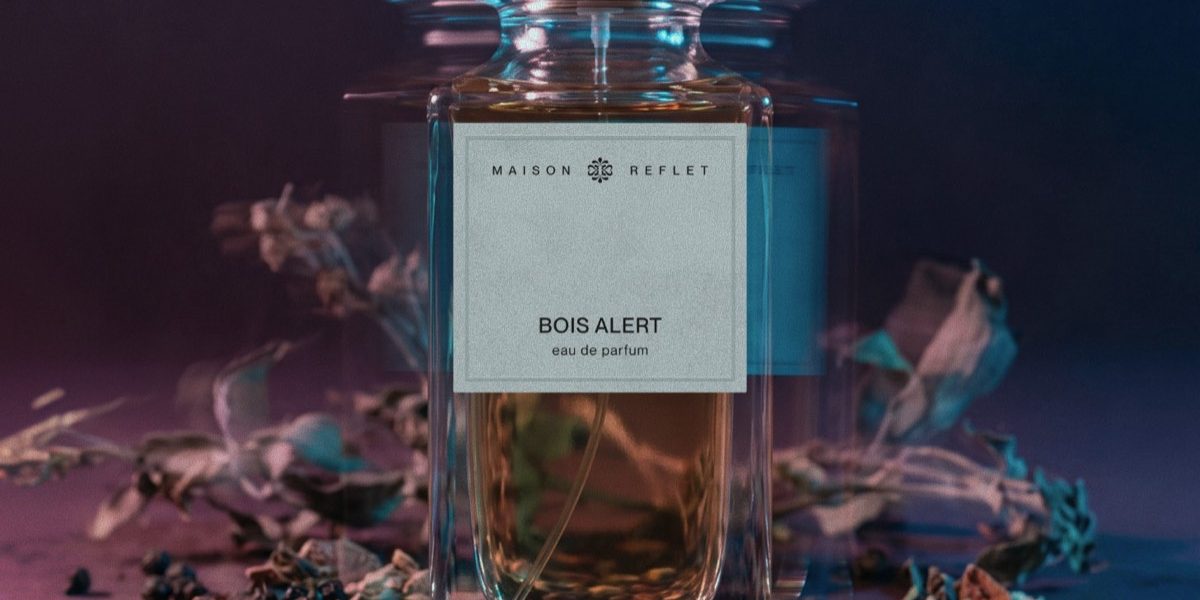
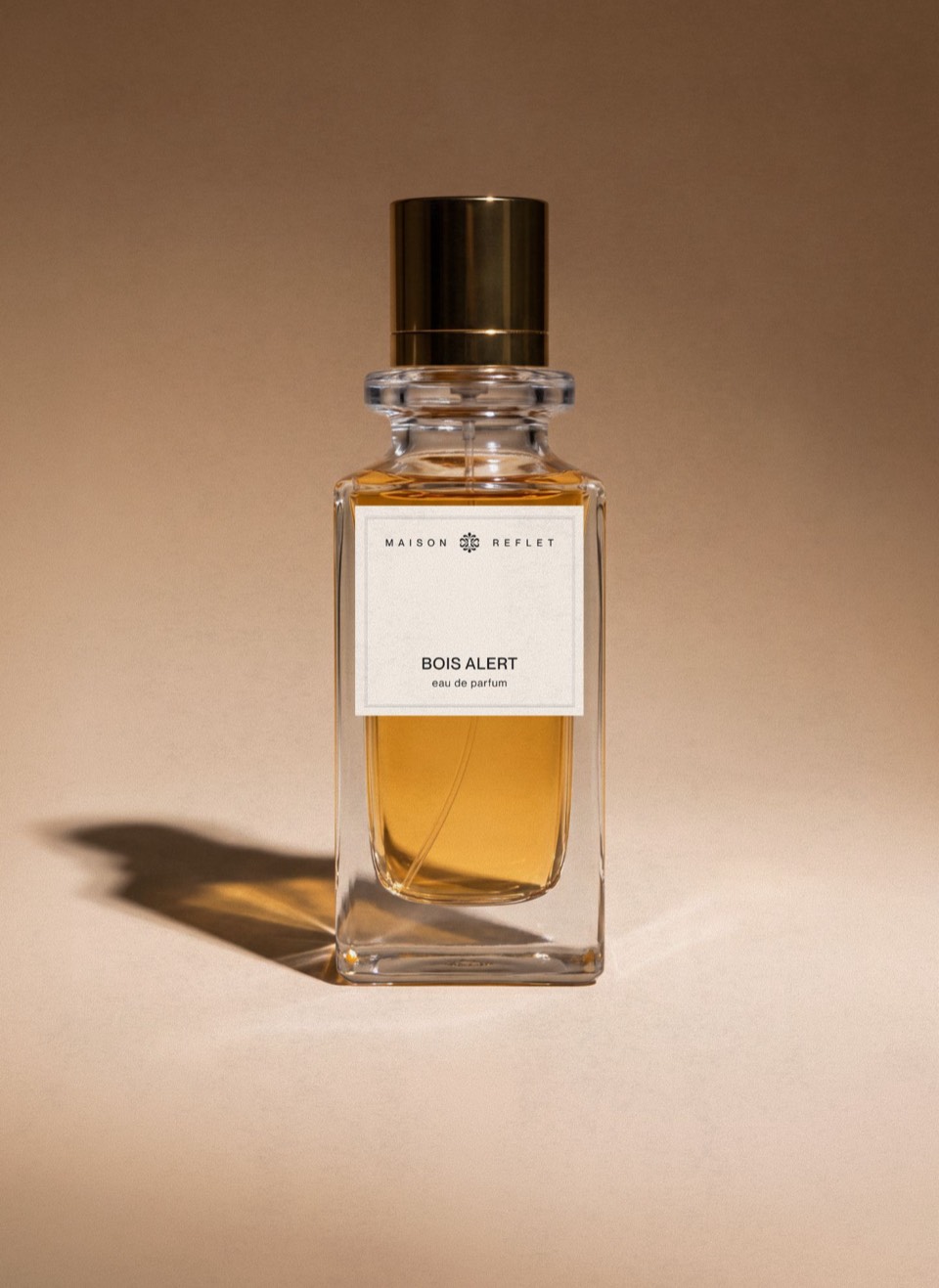
In Bois Alert, saffron joins black pepper and Calabrian bergamot in a spicy opening. A heart of jasmine sambac, ambergris and caramel follows, then a base of vetiver, patchouli and cedar.
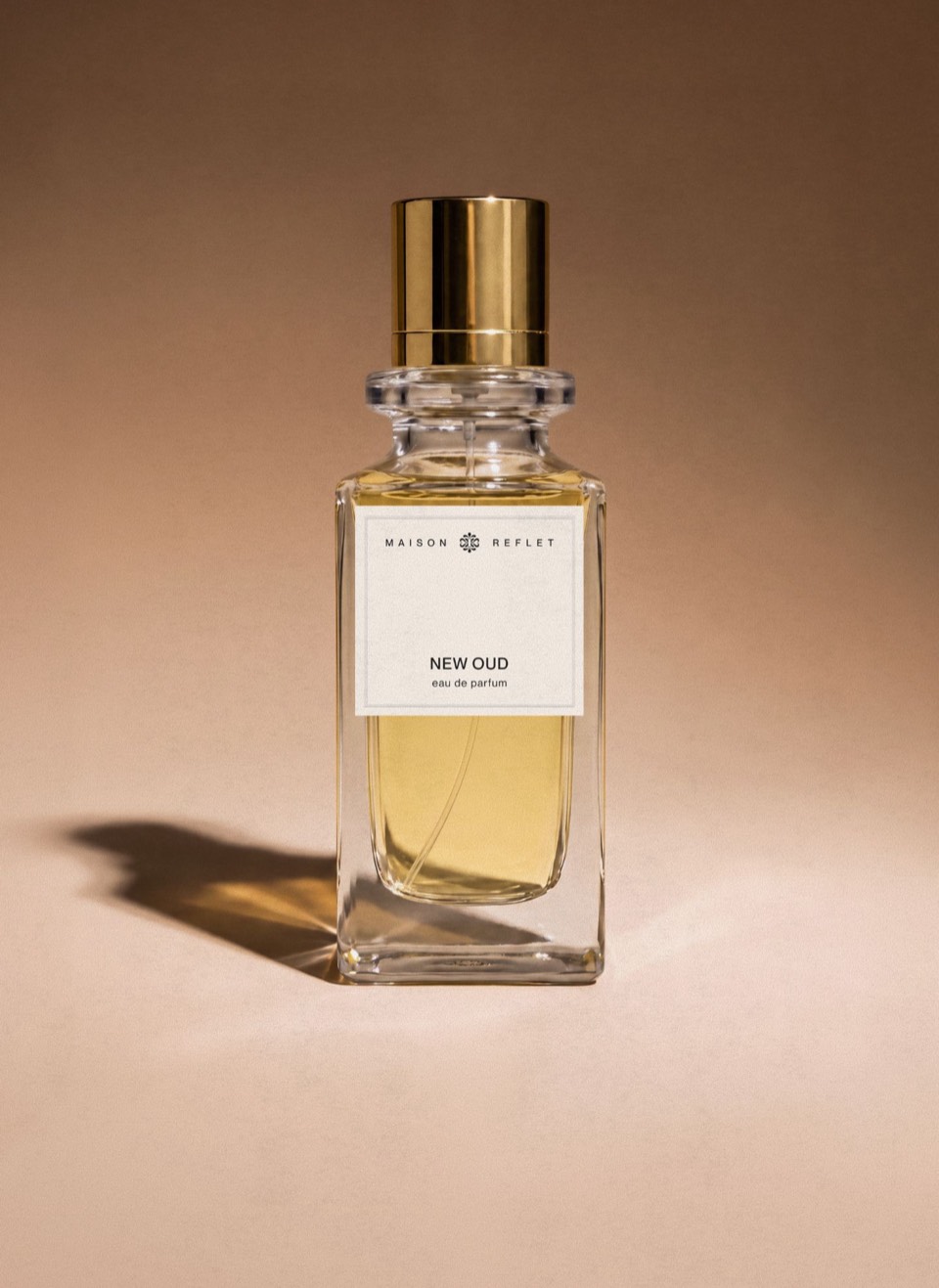
In New Oud, it lights up passion fruit and mandarin, then gives way to Taif rose, lily of the valley and amber, over a base of sandalwood, oud and white musk. The saffron and rose pairing, a classic of the East, takes on a fruity turn.
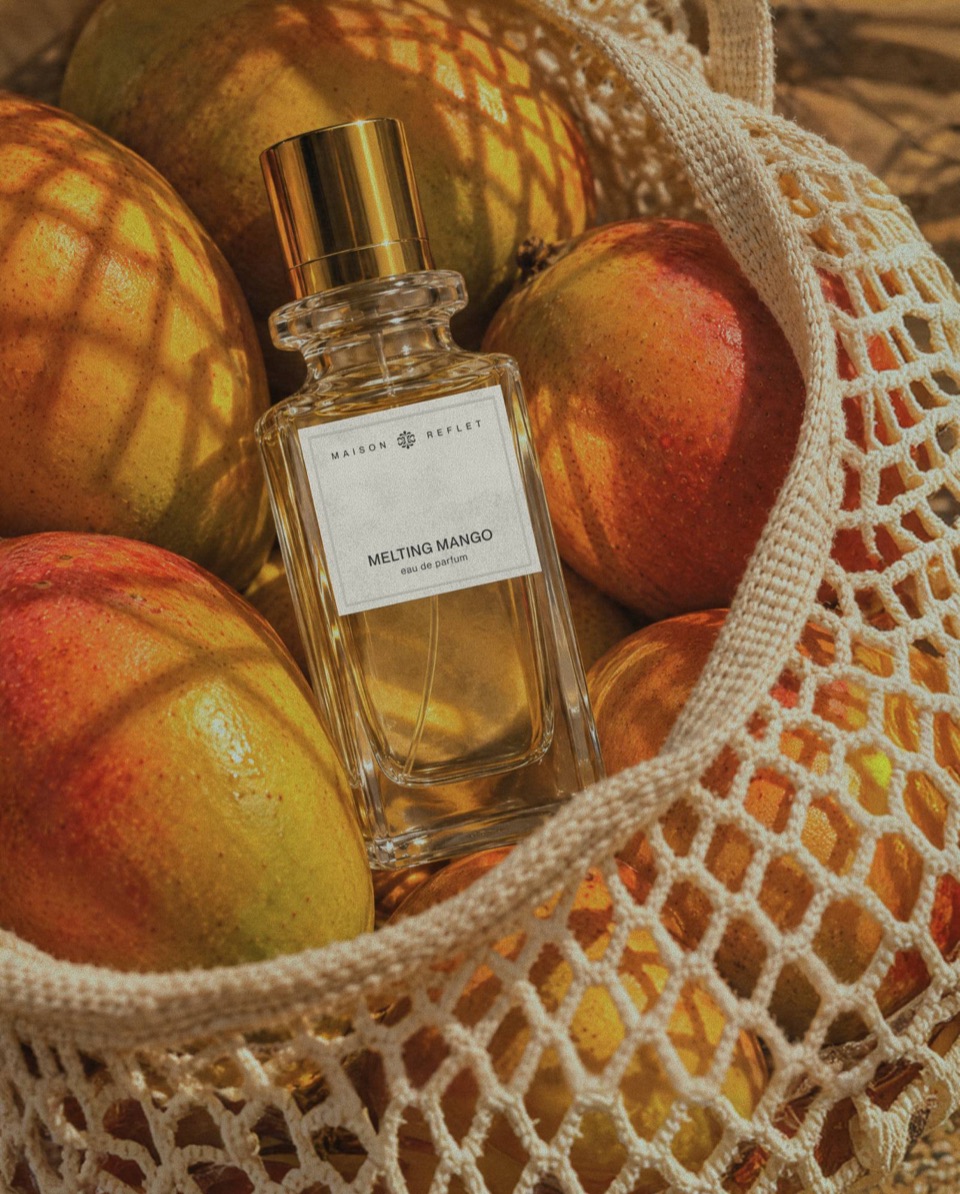
Finally, in Melting Mango, it gives contour to mango and orange, before a heart of praline, apricot kernel and jasmine absolute, and a base of oakmoss, patchouli and Haitian vetiver.
What to pair it with, how to wear it
Its natural partners
Saffron has four favourite partners. Rose, first: their union is a classic of oriental perfumery. Oud, next, whose smoky side it softens. Leather, with which it shares a tanned facet. Amber, finally, which extends its honeyed warmth.
Do you love saffron alongside oud? Our oud guide explains how to dose and layer it.
Wearing it in the heat
Saffron is a warm note, and heat amplifies it. In hot weather, one or two sprays are enough, on the base of the neck and the inner wrists. In air-conditioned rooms, it stays closer to the skin and becomes more discreet. For an evening out, add one spray to your clothes, from a distance.
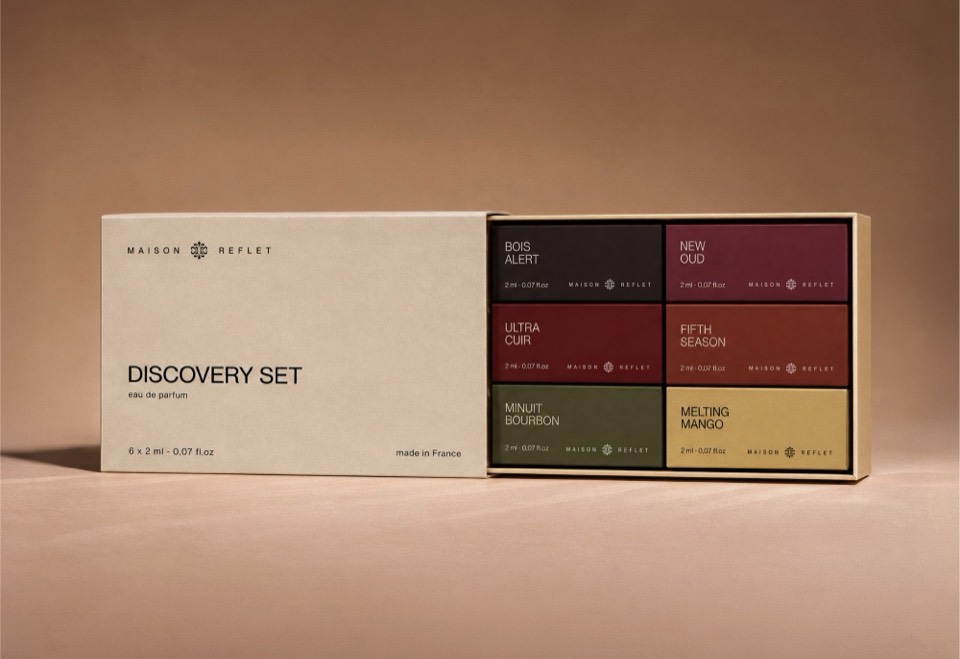
To find the saffron that suits you, the Discovery Set gathers the six Reflets in 2 ml: enough to try the four saffron Reflets on your skin, and the other two for comparison, before choosing your bottle.
The Reflets in this guide
Three Reflets to take this guide further.
- Pre-order
Ultra Cuir
Our twist on Tuscan Leather
Launch priceDiscover Ultra CuirRegular price: AED 380Launch price: AED 320 - Pre-order
Bois Alert
Our twist on Bois Impérial
Launch priceDiscover Bois AlertRegular price: AED 380Launch price: AED 320 - Pre-order
New Oud
Our twist on Oud Maracuja
Launch priceDiscover New OudRegular price: AED 380Launch price: AED 320
Frequently asked questions
Because each crocus flower yields only three stigmas, picked and dried by hand. It takes around 150,000 flowers to obtain one kilo of dried saffron.
Yes. Paired with fruity or citrus notes, such as mango, mandarin or bergamot, saffron works very well by day. Keep the leathery and incense-rich versions for the evening.
Four out of six: Ultra Cuir, where it sits at the heart, as well as Bois Alert, New Oud and Melting Mango, where it appears at the top. Fifth Season and Minuit Bourbon do not contain it.