

Pulse points: where the skin is warm
A perfume lives on body heat. Where blood flows close to the surface, the skin is warmer: it warms the notes, lets them evolve and carries them around you. These are the pulse points, and they are what you should aim for.
- The base of the neck, just above the collarbone
- The nape, which leaves a trail with every turn of the head
- The inner wrists
- Behind the ears, for a perfume that reveals itself as people come closer
Two or three of these points are enough. There is no need to cover them all: a perfume applied everywhere saturates the air, and your nose gets used to it faster. Better to choose two spots and return to them every day, so you learn how your perfume evolves on you.
Preparing the skin: the real key to longevity
Dry skin drinks perfume in and lets it evaporate. Moisturised skin holds on to it: the notes have a surface to cling to and are released more slowly. It is the simplest step, and the one most often forgotten.
The right moment is straight after the shower, while the skin is still warm and slightly damp. Apply an unscented cream or oil to the areas you are about to perfume, give it a moment to sink in, then spray. Make sure it is truly neutral: a scented cream would blur the composition.
On clothes and in your hair
Fabrics
Fibres hold perfume longer than skin, but they do not make it evolve: you will mostly smell the heart and base notes, without the movement that body heat brings. A light spray on the collar of a disdasha or inside an abaya gently extends the trail.
Take care with silk and light-coloured fabrics: some compositions, especially amber or vanilla ones, can mark a delicate cloth. Spray from further away, on the inside of the fabric, and try a discreet seam first.
Hair
Hair carries perfume well and releases it with every movement. But sprayed directly and up close, perfume can dry it out. The right gesture: one spray on your brush, then run it through your hair, or a light mist from a distance above your head. If you wear a shayla, a touch on the inside of the fabric has the same effect.
Heat, humidity, air conditioning: adjust to the hour
In the Gulf, the climate changes the way a perfume behaves. Warm skin projects more strongly and more quickly: what seemed discreet in your dressing room can become overwhelming in the middle of the afternoon. Humidity, for its part, keeps the perfume close to you and makes it heavier.
By day: a light touch
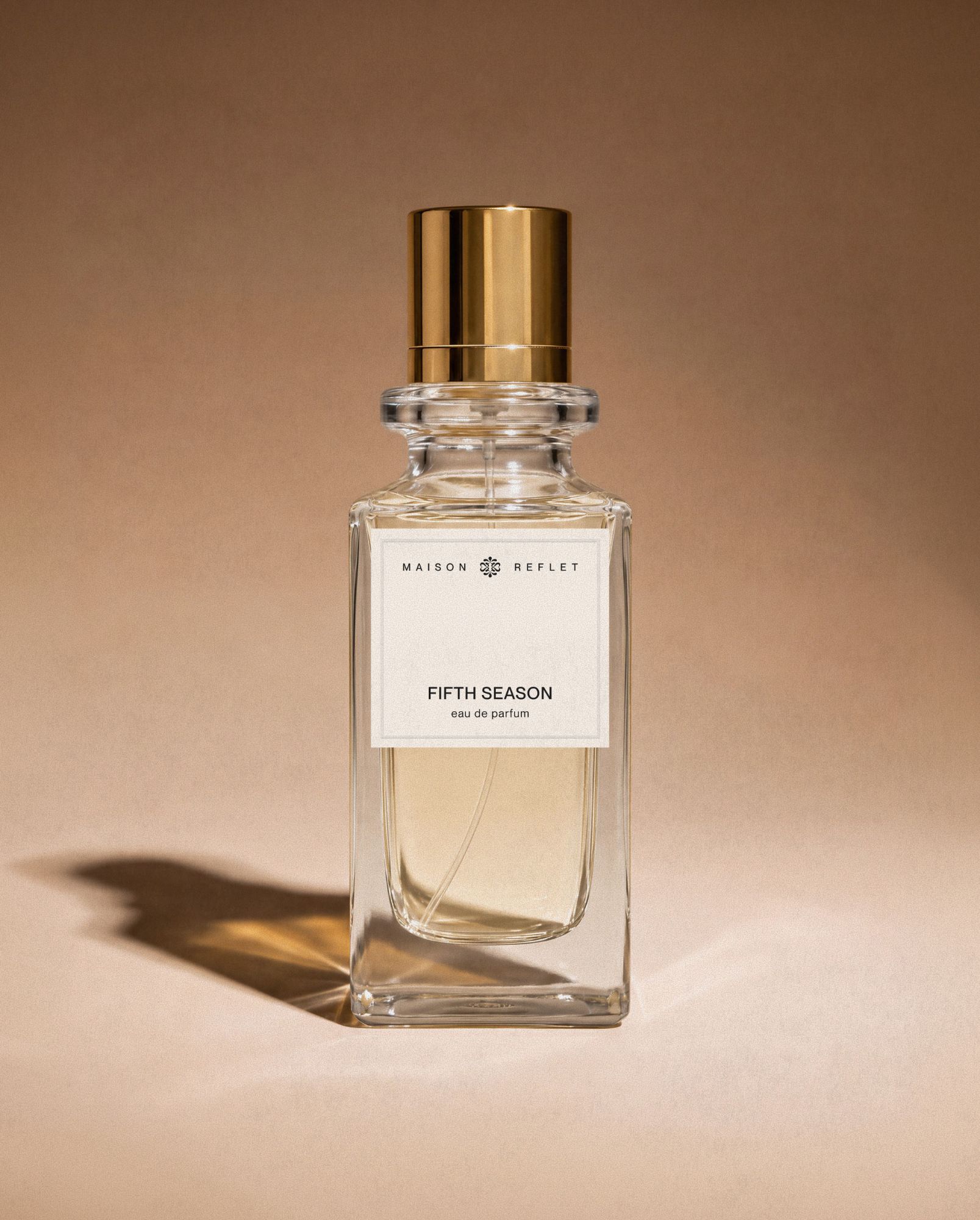
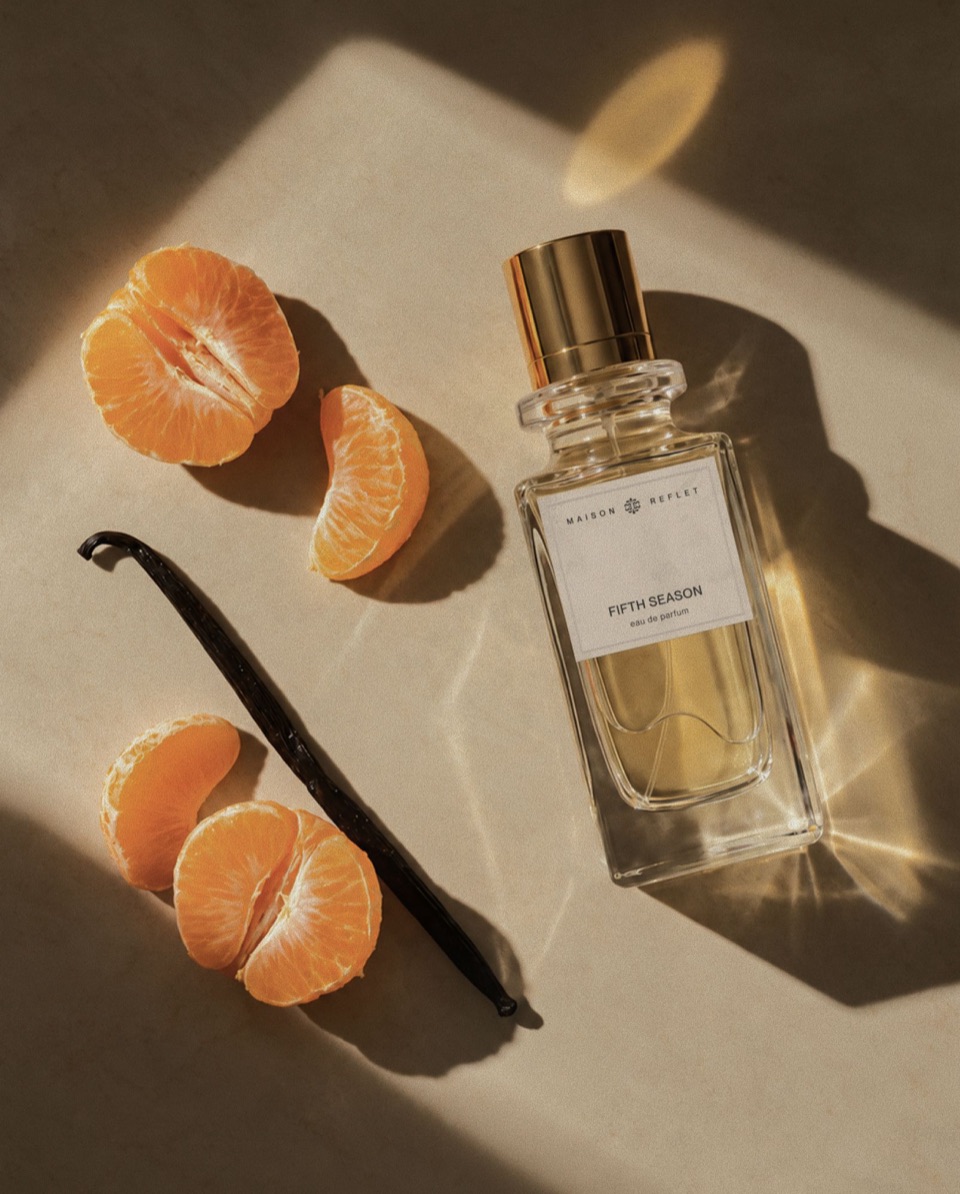
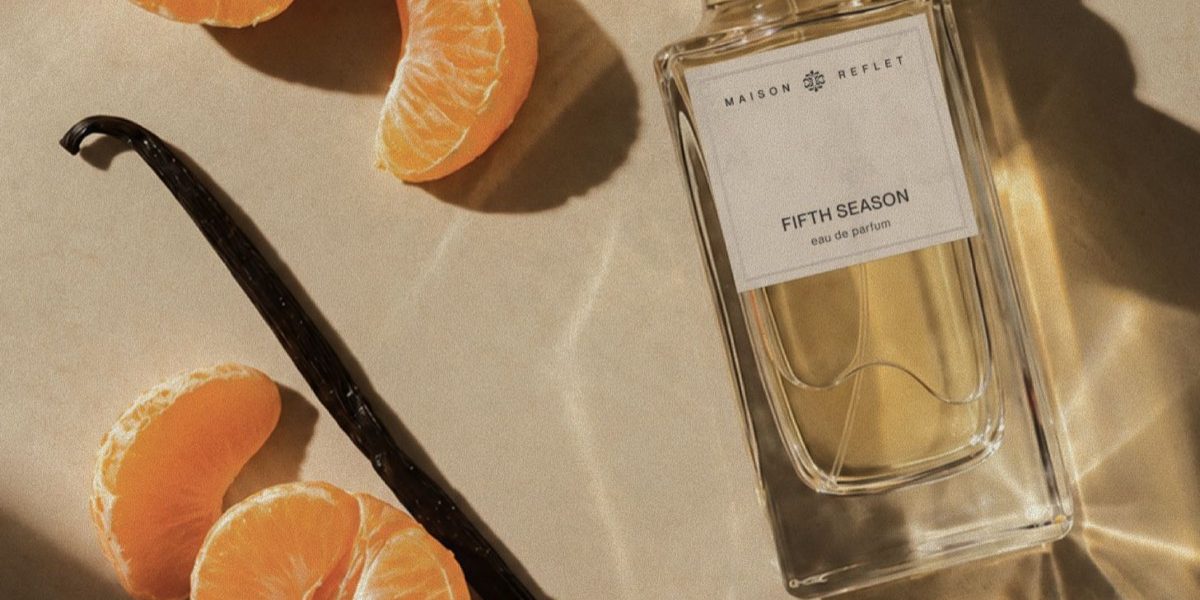
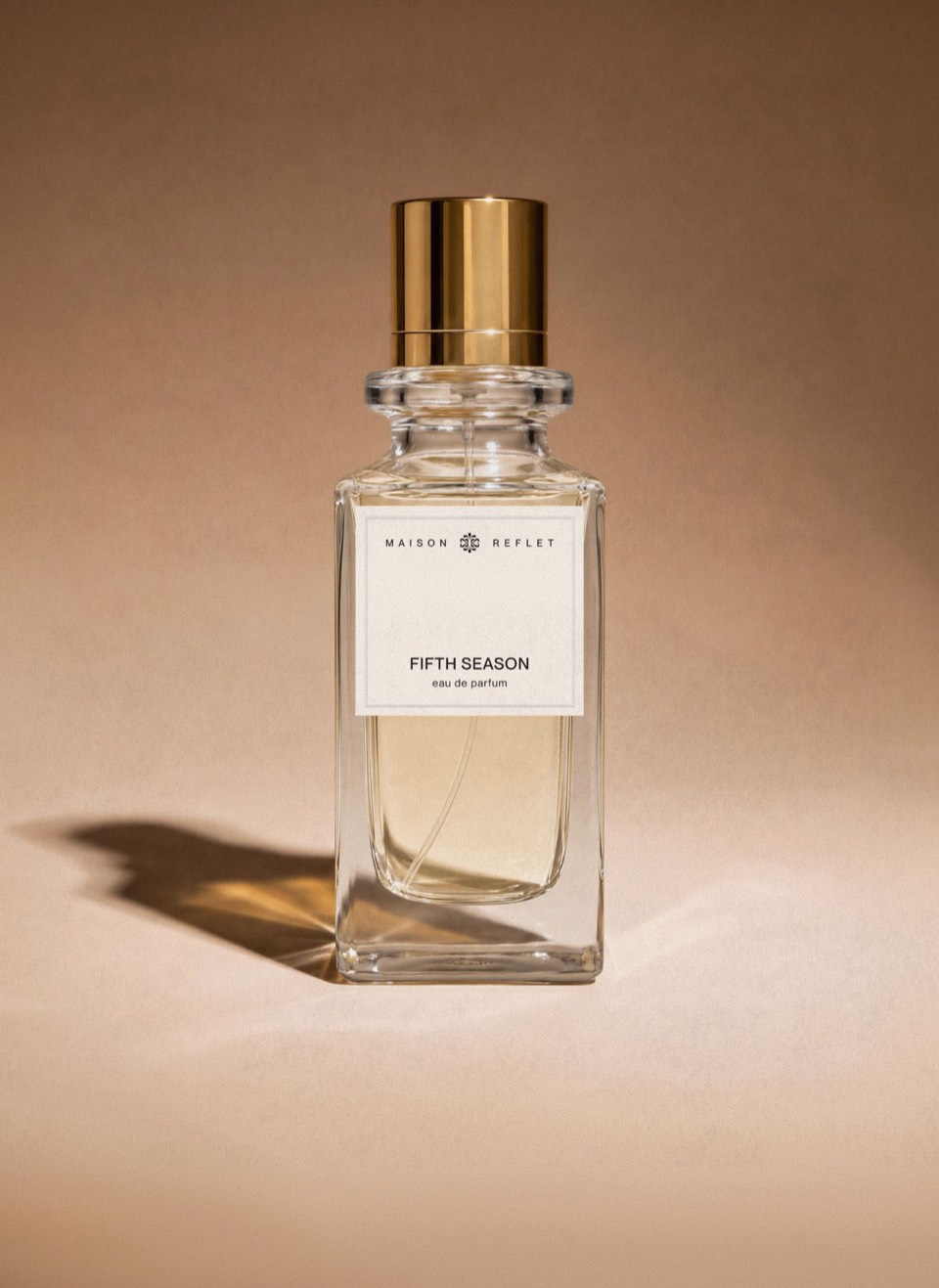
During the day, one or two sprays are enough, on areas sheltered from direct sun such as the base of the neck, under the collar. Choose fresh, luminous compositions. Fifth Season, with its mandarin, jasmine sambac and white musk, suits those hours well.
 Pre-order
Our pick
Fifth Season
Our twist on Erba Pura
Regular price: AED 380Launch price: AED 320
In the evening: more generosity
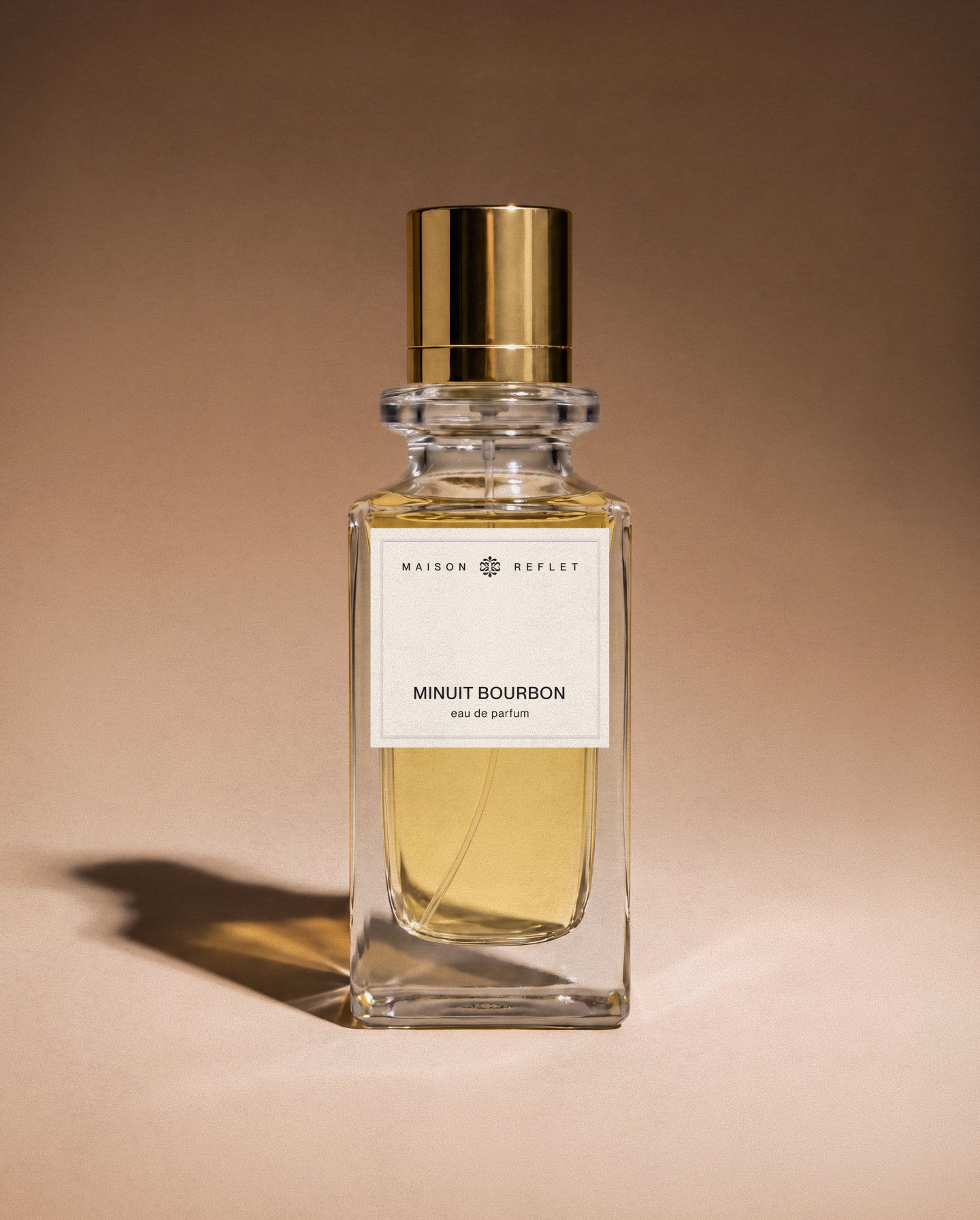
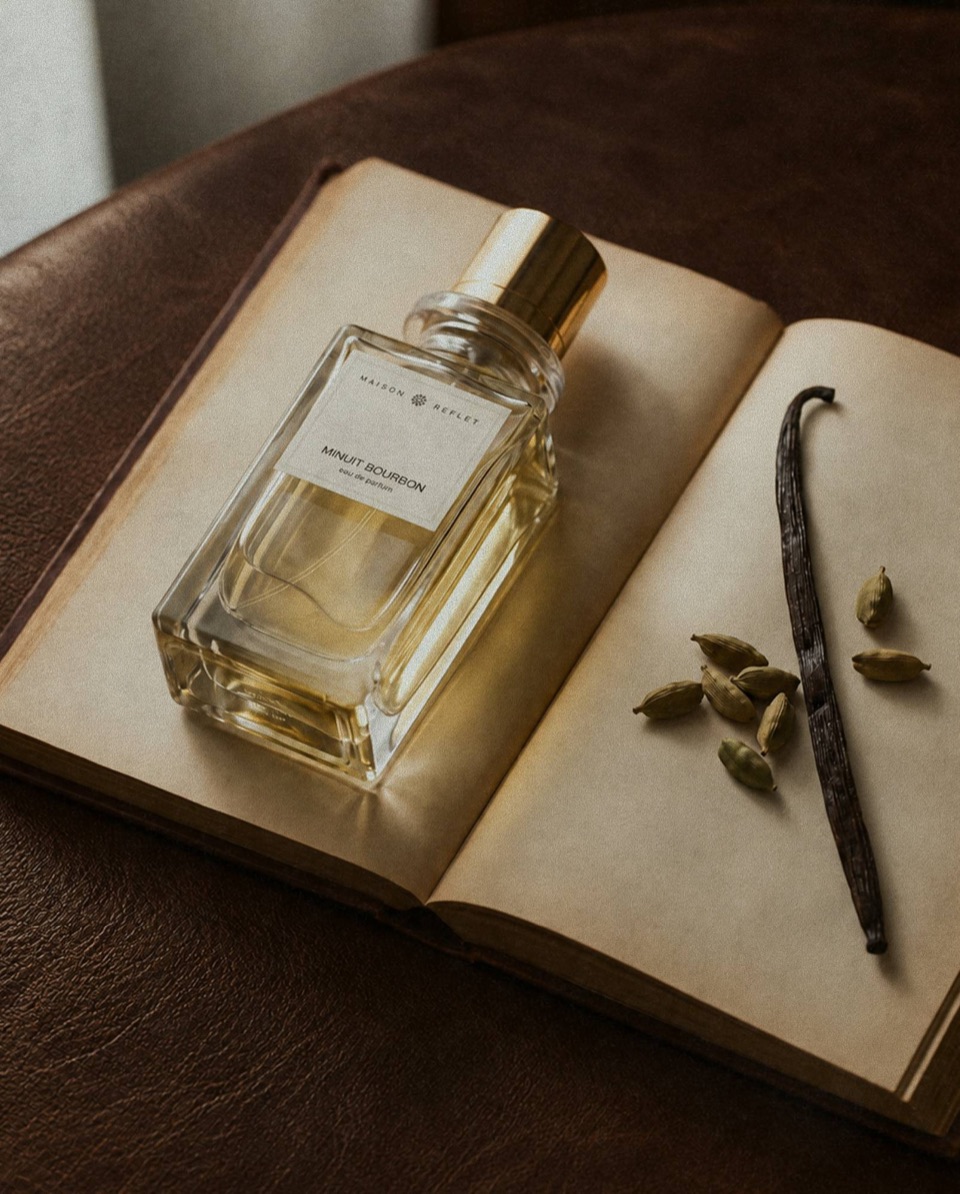
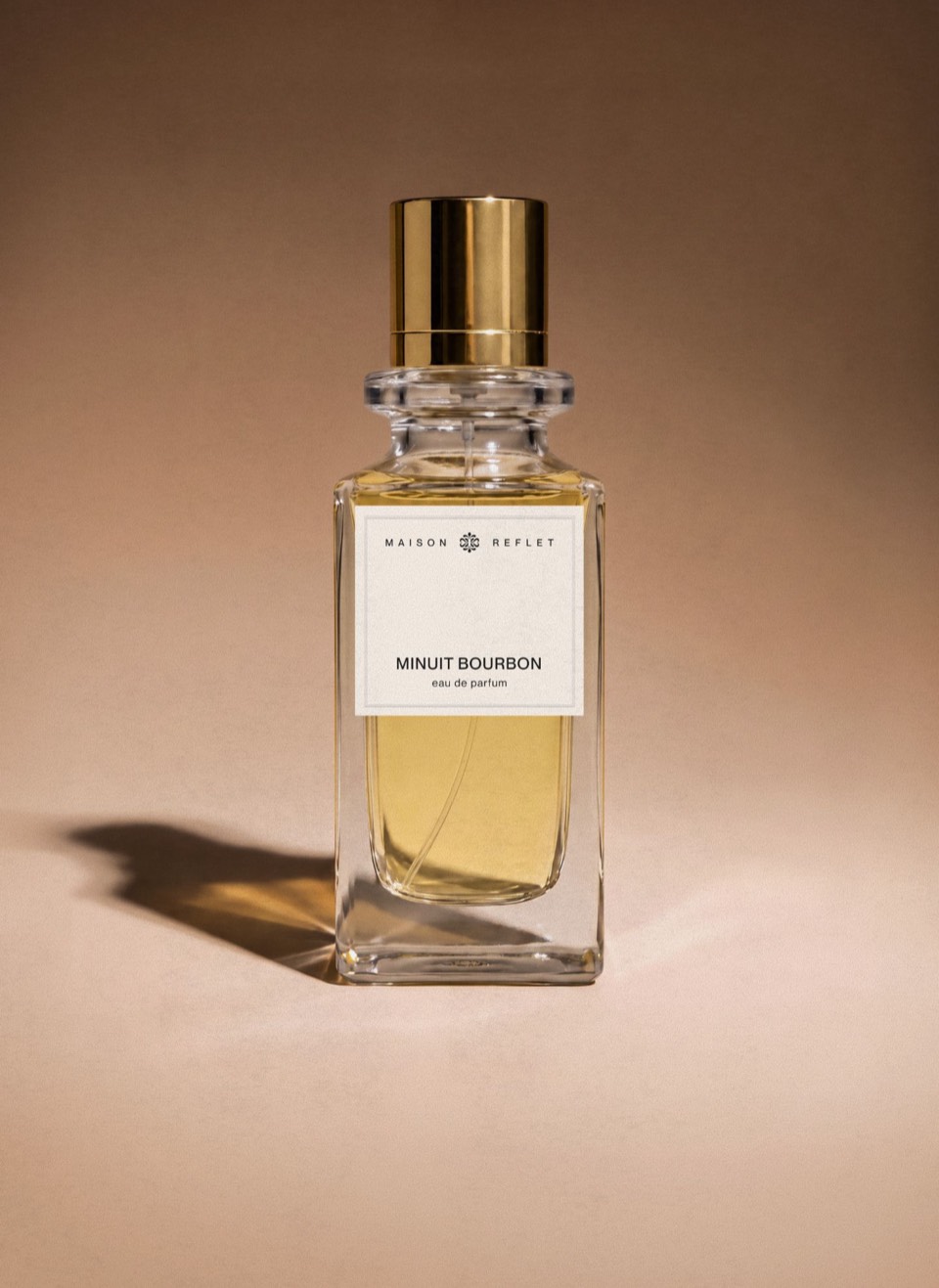
Once the sun has set, the heat loosens its grip a little and the skin projects less strongly: you can be more generous. Add a pulse point, or a touch on your clothes. This is the time for denser perfumes, such as Minuit Bourbon, with its cardamom, orange blossom and a base of tonka bean, Bourbon vanilla and leather.
Air conditioning
Indoors, air conditioning dries out both the air and the skin. A perfume applied to dehydrated skin fades faster: all the more reason to moisturise before you spray, and to plan a top-up if you spend the day between the office, the car and the shopping centre.
Bakhoor, oils and layering
Scenting your clothes with bakhoor before going out is a familiar gesture in many Gulf homes. It pairs beautifully with perfume, as long as you respect the order: smoke first, on fabrics and hair, then perfume, on the skin. Let the bakhoor settle into the cloth for a few minutes before spraying, so the two layer rather than blur.
A perfume oil can play the same role as a base: apply it first to the pulse points, then spray on top. The principle is the same as for any layering: the densest first, the lightest after.
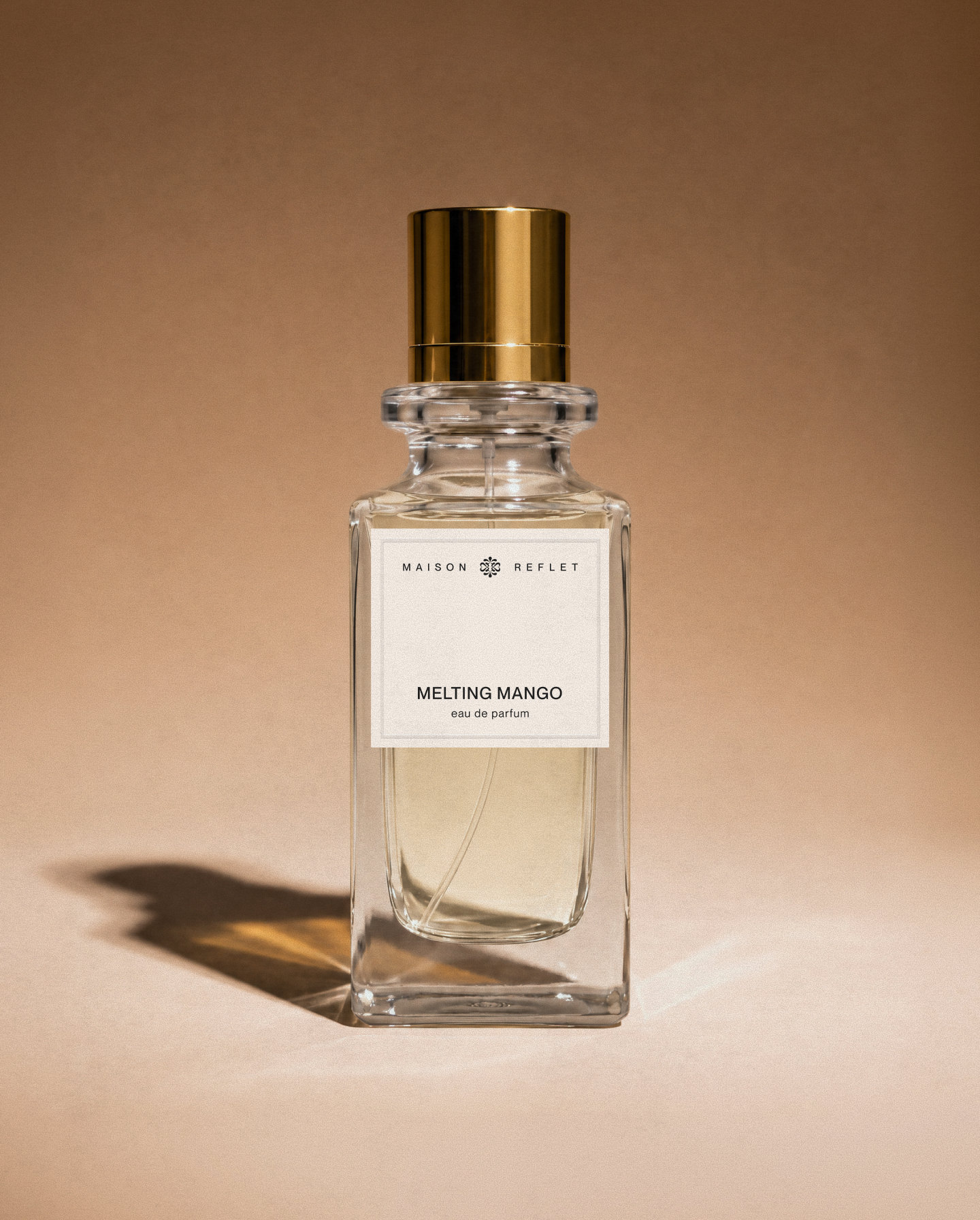
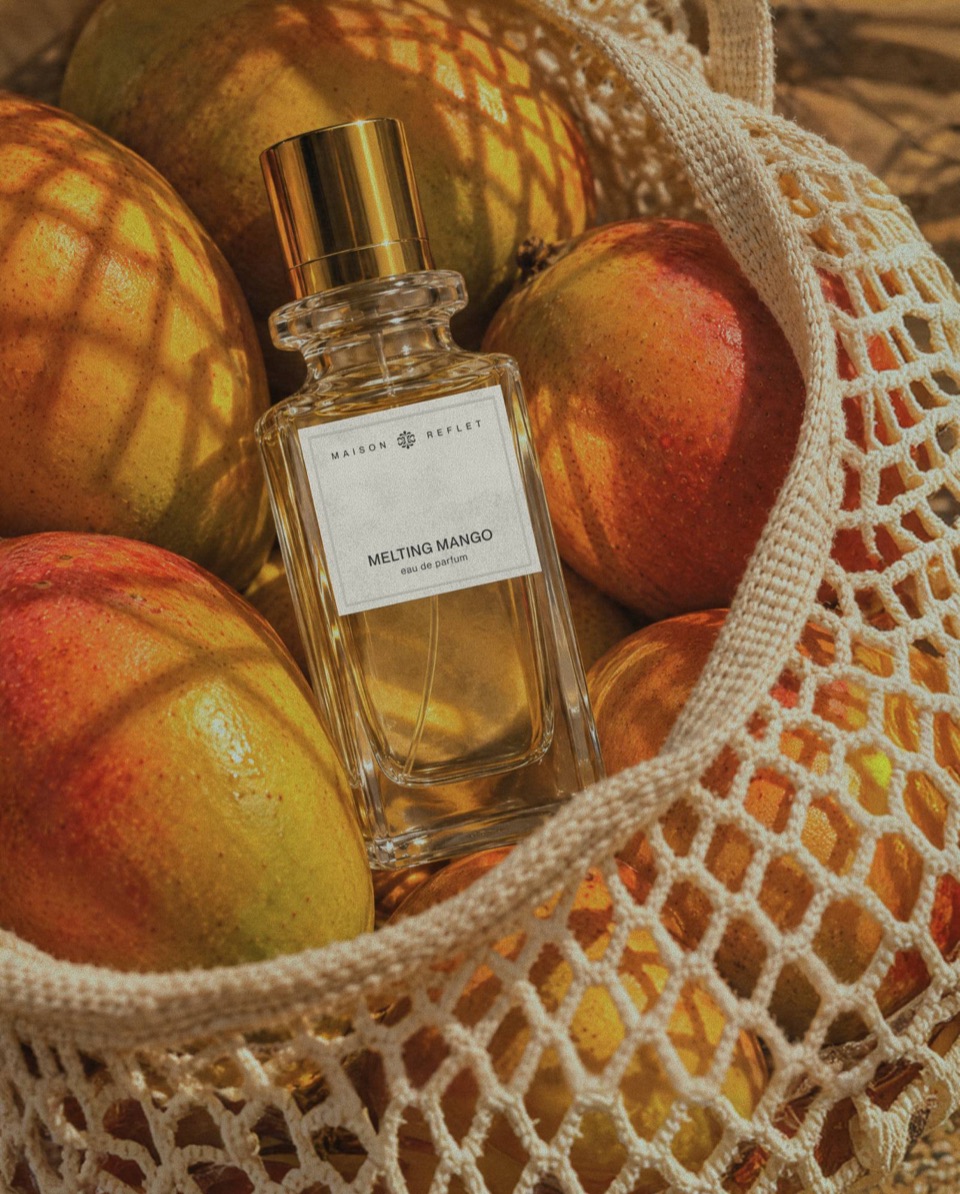
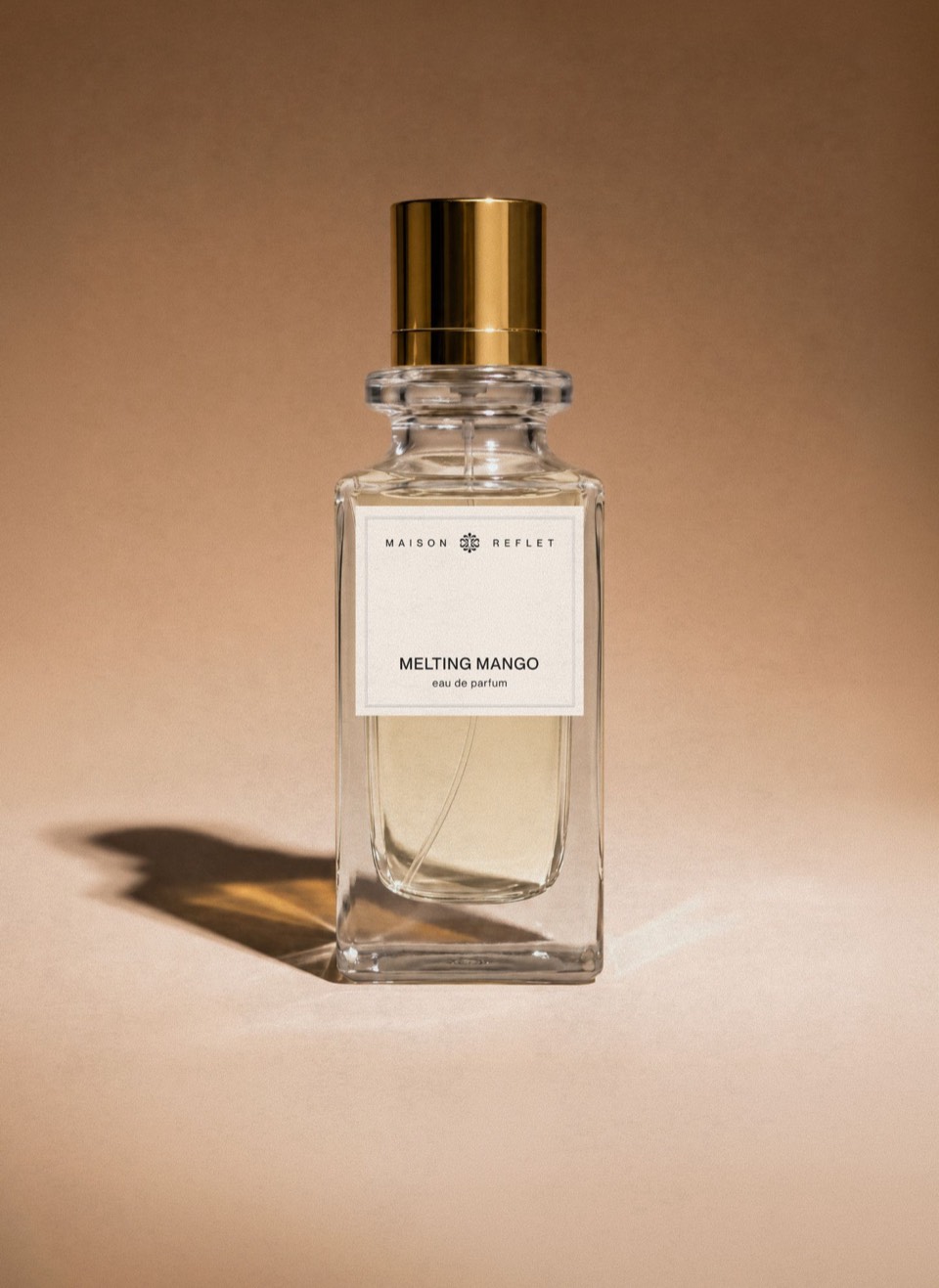
An amber perfume lends itself well to this. Melting Mango, with its saffron, praline and a base of oakmoss and patchouli, naturally extends a woody bakhoor. To go further on pairings, read our oud guide.
Topping up and storing your bottles
A 2 ml in your bag
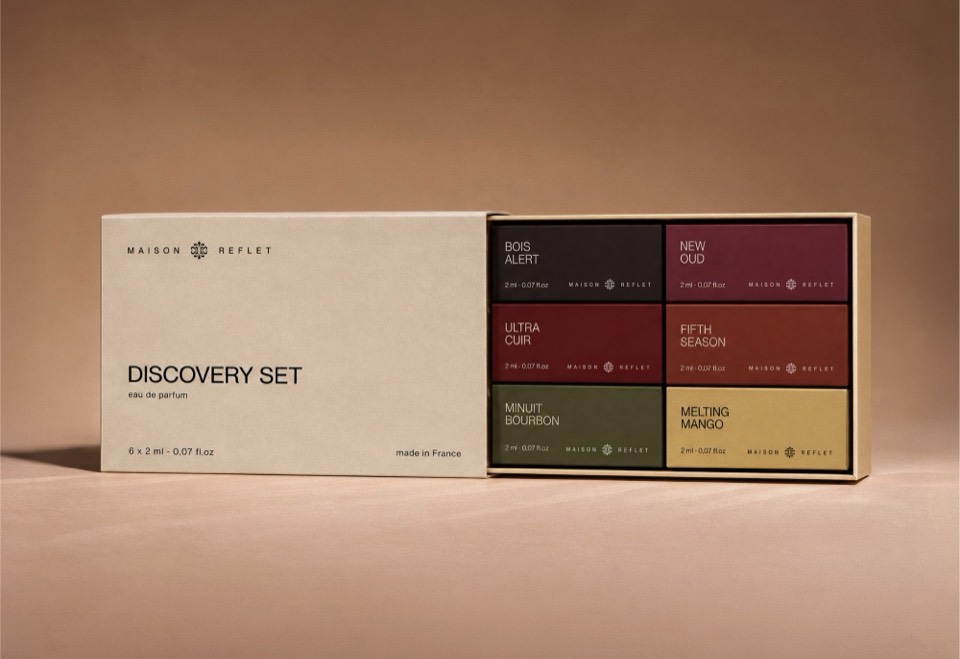
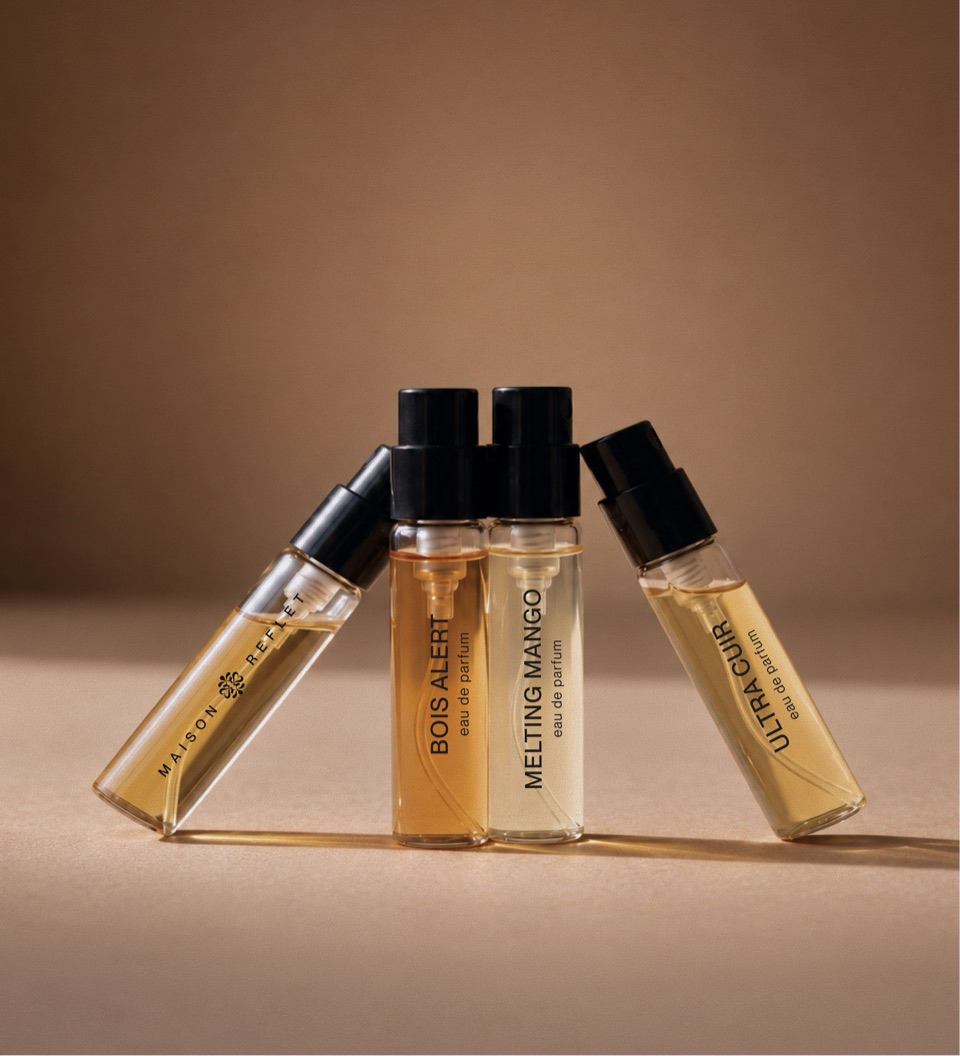
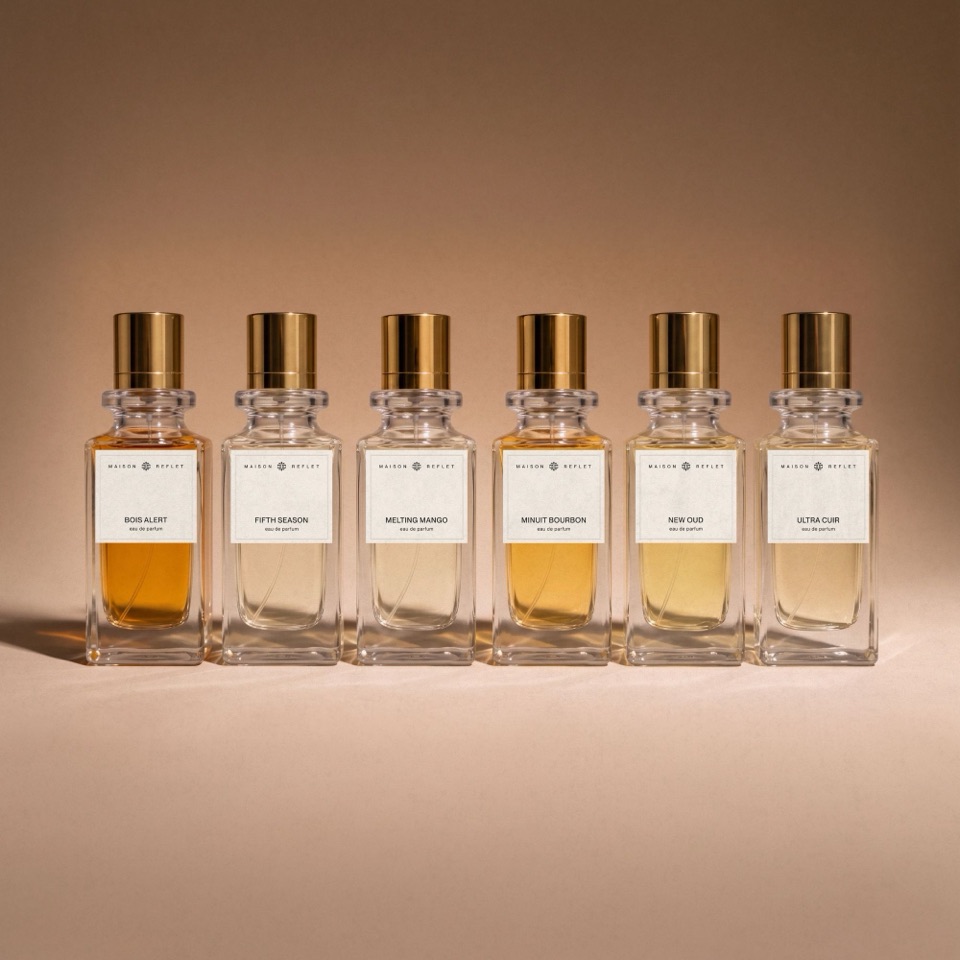
Even well applied, a perfume softens as the day goes on. A 2 ml sample fits in any bag and allows a discreet top-up before a dinner or an evening out: a single spray, on a pulse point you have already scented. The Discovery Set brings together six Reflets in 2 ml: enough to slip a different one into your bag depending on the occasion.
Away from heat and light
Heat and light damage a perfume: its top notes change and its colour may shift. Keep your bottles somewhere cool and dark, tightly closed, ideally in their box. Never in a car in summer, even for a few hours, nor on a sunny windowsill. Avoid the bathroom too, where heat and humidity come and go.
The Reflets in this guide
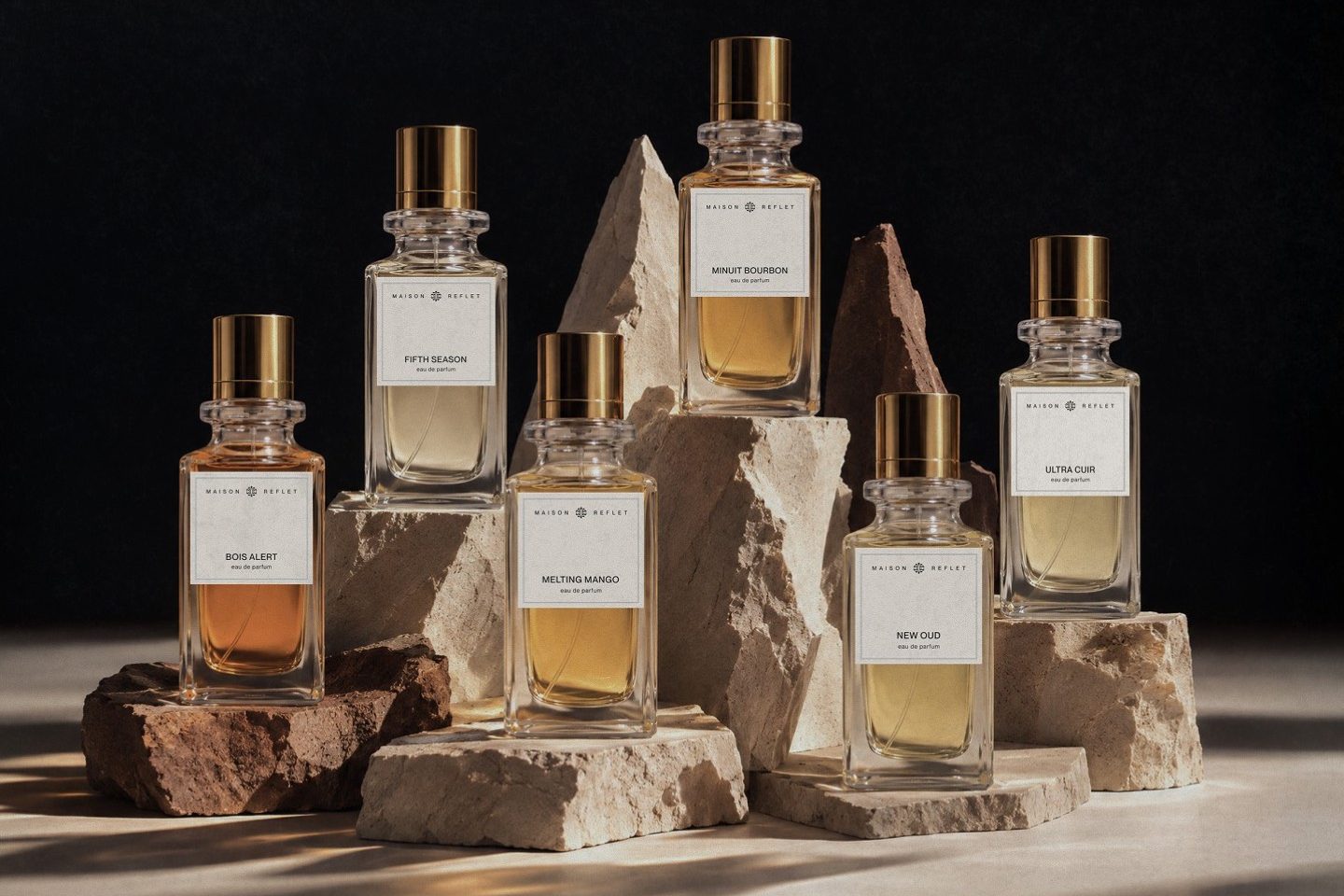
Three Reflets to take this guide further.
- Pre-order
Fifth Season
Our twist on Erba Pura
Launch priceDiscover Fifth SeasonRegular price: AED 380Launch price: AED 320 - Pre-order
Melting Mango
Our twist on Baccarat Rouge
Launch priceDiscover Melting MangoRegular price: AED 380Launch price: AED 320 - Pre-order
Minuit Bourbon
Our twist on Althaïr
Launch priceDiscover Minuit BourbonRegular price: AED 380Launch price: AED 320
Frequently asked questions
No. Rubbing warms the skin and crushes the top notes, which then evaporate faster. Spray, then let it air-dry for a few seconds.
Yes, with a light spray, from a distance and preferably on the inside of the fabric. Fibres hold perfume well. On silk and light-coloured fabrics, try a discreet seam first.
Often because your nose has got used to it, while the people around you can still smell it. Dry skin, air conditioning or a bottle stored somewhere warm can also play a part. Moisturise before applying, and keep a 2 ml with you for top-ups.